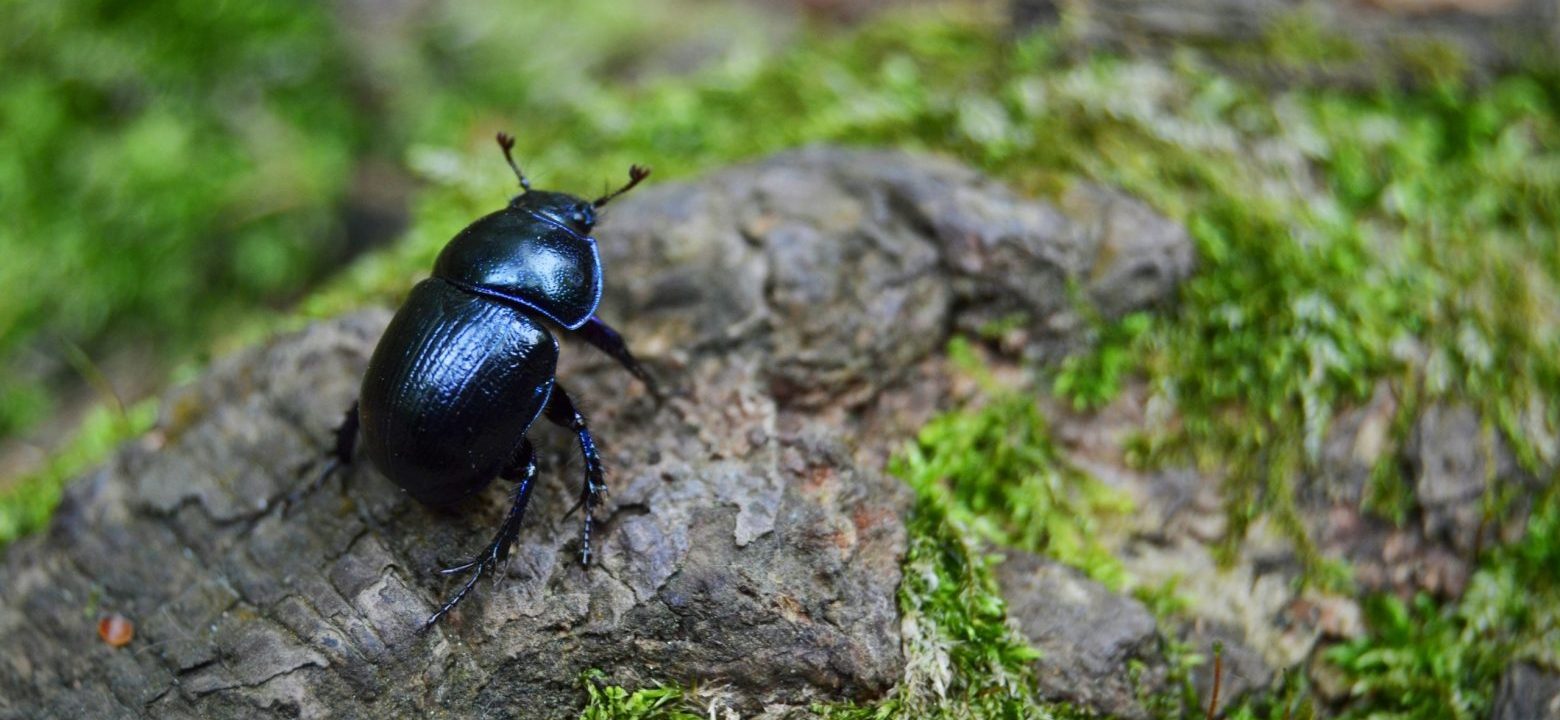
Beetles can become an unexpected nuisance for homeowners throughout Dallas, Texas, during the fall and winter months. While some beetles remain outdoors as temperatures cool, others enter buildings seeking shelter or continue developing inside homes where food, fabrics, and other suitable materials are available. Finding beetles in a pantry, closet, garage, or windowsill can be frustrating, especially when the insects keep returning despite regular cleaning.
At our Dallas-area pest control company, we help homeowners identify unwanted insects and determine the most effective ways to control them. Whether you live in Dallas, Irving, Plano, Richardson, Garland, or another North Texas community, understanding why beetles appear during cooler weather can help you protect your home and prevent recurring infestations.
Why Beetles Become a Problem in Dallas During Fall and Winter
Dallas experiences substantial seasonal temperature changes, but winter weather in North Texas can fluctuate between mild days and occasional freezing temperatures. These changing conditions influence beetle activity and can encourage certain insects to seek shelter around buildings.
Some outdoor beetles may gather near exterior walls, windows, and doors when environmental conditions change. Others enter homes accidentally through open doors, damaged screens, and gaps around utility lines. Beetles that feed on stored food or household materials can also remain active indoors throughout winter because heated buildings provide relatively stable conditions.
The type of beetle you discover often determines why it is present. A beetle near a sunny window may have entered from outdoors, while insects repeatedly emerging from a bag of flour or a closet may indicate a developing indoor infestation.
Identifying the insect before choosing a treatment is important. Different beetles feed on different materials, and an approach that works for one species may do little to solve another beetle problem.
Common Types of Beetles Found in Dallas Homes
Several groups of beetles can become household pests. Recognizing their typical locations can help you determine where to inspect and when professional assistance may be appropriate.
Carpet Beetles
Carpet beetles are small insects whose larvae can damage certain household materials. Adult carpet beetles may be found near windows because many species are attracted to light, while their larvae often remain hidden in closets, beneath furniture, along carpet edges, and inside storage areas.
The larvae feed on animal-derived materials, including wool, fur, feathers, and certain fabrics. They may also feed on accumulated hair, lint, dead insects, and other organic debris.
Homeowners may notice irregular holes in wool clothing, damaged blankets, or tiny hairy larvae near baseboards and closets. Shed larval skins can also provide evidence of activity.
Carpet beetles can remain unnoticed for extended periods because the larvae develop in secluded locations. Washing or removing a damaged garment may not resolve the problem if additional larvae are feeding elsewhere in the home.
Pantry Beetles
Pantry beetles infest stored food products, including grains, flour, cereal, rice, spices, nuts, dried fruit, and other dry goods. Different species have different feeding preferences, but many can develop inside improperly sealed packages.
Examples include sawtoothed grain beetles, drugstore beetles, and cigarette beetles. These insects are small and may be difficult to identify without a close inspection.
An infestation may begin when a contaminated food product enters the home. Beetles can then reproduce within suitable food supplies, eventually spreading to additional packages stored nearby.
Signs include tiny beetles inside containers, damaged packaging, unusual food residue, and repeated sightings around pantry shelves. Finding several beetles near kitchen cabinets warrants inspecting the food products rather than simply spraying the surrounding area.
Powderpost Beetles
Powderpost beetles are wood-boring insects whose larvae can damage susceptible wood. Depending on the species, they may infest certain hardwoods, furniture, flooring, and structural wooden materials.
One possible warning sign is the presence of small, round exit holes accompanied by fine powder-like wood particles. However, not every hole or pile of wood dust indicates an active infestation, and other wood-boring insects can produce similar evidence.
Powderpost beetle activity requires a different response from pantry or carpet beetle problems. The affected wood may need professional evaluation to determine whether the insects are active and whether the damage is continuing.
If you find unexplained holes in hardwood floors, furniture, or exposed wooden components, arrange an appropriate inspection before assuming the insects can be controlled with a general household treatment.
Outdoor Beetles Entering Homes
Not every beetle found indoors is breeding inside the house. Some outdoor species enter through gaps around windows, doors, rooflines, and other openings.
Certain lady beetles, including multicolored Asian lady beetles, may gather on sunlit exterior walls during autumn and occasionally enter through small openings. Other outdoor beetles may simply wander inside while searching for shelter.
These insects can congregate around windowsills, light fixtures, and other locations where they become easy to notice. Finding an occasional outdoor beetle does not automatically mean the property has an established infestation.
For these situations, reducing entry points and addressing exterior conditions may be more useful than treating the entire interior of the home.
Signs of a Beetle Infestation
Because different beetles occupy different areas of a home, the evidence of an infestation depends on the species involved.
Repeated sightings: Finding several similar beetles in the same location over multiple days may indicate a nearby source, particularly when they consistently appear in a pantry, closet, or storage area.
Damaged food packaging: Small holes, beetles inside dry goods, or insects crawling around stored food can indicate a pantry beetle problem.
Fabric damage: Irregular holes in natural-fiber clothing, blankets, rugs, and other susceptible materials may be associated with carpet beetle larvae.
Larvae and shed skins: Discovering small larvae or empty skins in closets, beneath furniture, or along baseboards may indicate that carpet beetles are developing indoors.
Fine wood dust and exit holes: Small holes in susceptible wood, particularly when accompanied by fresh-looking powder, can warrant further investigation for wood-boring beetles.
Beetles around windows: Insects gathering near windows or other light sources may have entered from outdoors. Repeated activity around the same entry points can justify checking exterior gaps and screens.
If you cannot identify the beetle, take a clear photograph or safely collect a specimen for identification. Knowing the species is the first step toward selecting the right control method.
Where Beetles Hide During Fall and Winter
Indoor beetles often remain close to the materials they use for food or shelter. Kitchens and pantries are important places to inspect when stored-product beetles are suspected. Check flour, cereal, pet food, spices, and long-stored dry goods, including packages that have not been opened recently.
Closets, dressers, storage boxes, and carpet edges are important inspection areas for carpet beetles. Pay attention to rarely used garments, wool blankets, stored rugs, and places where pet hair or lint accumulates.
Garages, attics, and storage rooms can shelter insects that enter from outside. Cardboard boxes, stored fabrics, and other materials may create additional hiding places.
Wood-boring beetles require a different inspection approach. Examine susceptible wooden furniture, flooring, and exposed wood for exit holes and evidence of deterioration.
During winter, indoor heating may allow pantry and fabric pests to remain active even when outdoor insect activity declines. This makes the colder months a good time to check storage areas and address indoor sources before an infestation becomes more widespread.
How to Prevent Beetles in Your Dallas Home
A few practical steps can reduce the likelihood of recurring beetle problems.
Store Food Securely
Inspect dry food packages and discard infested products in sealed bags. Vacuum pantry shelves, cabinet corners, and cracks where food particles may accumulate.
Transfer susceptible foods to tightly sealed containers made of suitable plastic, glass, or metal. Check newly purchased products before placing them in storage, since some pantry infestations begin with contaminated goods.
Keep Closets and Storage Areas Clean
Vacuum carpet edges, beneath furniture, and inside closets where dust, lint, hair, and other organic debris accumulate. Launder susceptible clothing and blankets before placing them into long-term storage.
Use clean, sealed storage containers for vulnerable textiles and inspect stored items periodically. Remove materials that are no longer needed, and avoid leaving piles of fabric or cardboard undisturbed for extended periods.
Seal Exterior Entry Points
Inspect doors, windows, screens, and openings around pipes or utility lines. Repair damaged screens and weatherstripping, and seal suitable gaps with materials appropriate for the location.
For beetles gathering on exterior walls, reducing unnecessary outdoor lighting near entrances may also help limit insect activity around doors and windows.
Investigate Suspected Wood Damage
If you notice small holes or unexplained wood dust, avoid painting over or immediately discarding the affected material before identifying the problem. An inspection can help determine whether the evidence is consistent with wood-boring beetles and whether further action is needed.
Why Professional Beetle Control May Be Necessary
Some beetle problems can be resolved by removing infested food, laundering clothing, vacuuming affected areas, or sealing entry points. However, recurring activity may indicate that insects or larvae remain hidden in locations that are difficult to reach.
Our Dallas-area pest control company can help identify the beetle species, inspect affected areas, and recommend an appropriate control strategy. The treatment depends on the source of the infestation.
Pantry beetle management typically requires locating and removing contaminated food supplies. Carpet beetle control may involve identifying larval feeding areas and addressing accumulated debris or infested materials. Outdoor beetles may require exclusion measures, while suspected wood-boring beetles may need a more specialized inspection.
When comparing pest control companies, ask about the inspection process, the recommended treatment, preparation requirements, and whether follow-up visits are appropriate. Any pesticide should be used according to its label, particularly around food, clothing, children, and pets.
Identifying the source is essential because treating visible adult beetles alone may not eliminate eggs or larvae hidden elsewhere.
Protect Your Dallas Home From Beetles This Fall and Winter
Beetles can remain a nuisance in North Texas homes long after summer ends. Outdoor species may enter buildings for shelter, while pantry beetles, carpet beetles, and wood-boring beetles can develop indoors when suitable conditions are present.
Inspecting stored food, cleaning vulnerable storage areas, sealing exterior gaps, and investigating unexplained material damage can help reduce the risk of recurring problems. When beetles continue appearing or the source is unclear, professional identification and targeted pest control can help determine the best next steps.
Our Dallas-area pest control company helps homeowners address insect problems with practical recommendations and appropriate treatment options. If you are finding beetles in Dallas, Irving, Plano, Richardson, Garland, or another nearby North Texas community, contact our team to discuss your pest control concerns.
Taking action early can help protect your stored food, clothing, furnishings, and property throughout fall, winter, and the rest of the year.