Crickets are common pests throughout the Dallas, Texas, area, particularly during late summer and fall when outdoor activity can increase dramatically. Although many people associate crickets with warm weather, these insects can remain a nuisance during fall and winter when they enter homes, garages, and other sheltered spaces. Their persistent chirping, unexpected jumps, and tendency to gather around exterior lights can quickly become frustrating for homeowners.
At our Dallas-area pest control company, we help property owners understand why crickets enter buildings, where they tend to hide, and how to reduce their numbers. Whether you live in Dallas, Irving, Plano, Richardson, Garland, or another North Texas community, taking preventative steps before cooler weather arrives can help keep crickets outside where they belong.
Why Crickets Become a Problem in Dallas During Fall
Cricket activity can become especially noticeable in North Texas during late summer and fall. Weather conditions, moisture levels, vegetation, and seasonal insect behavior all influence how many crickets homeowners encounter around their properties.
Field crickets are among the insects residents may see gathering around buildings, outdoor lighting, and landscaped areas. During periods of increased activity, crickets may congregate near illuminated entrances, storefronts, garages, and patios. Once they reach a building, they can enter through gaps beneath doors, damaged screens, and other openings.
Changing weather can also influence cricket movement. When outdoor conditions become less favorable, crickets may seek sheltered locations beneath landscaping materials, around foundations, or inside garages and storage areas. Homes offer protection from wind, rain, and temperature fluctuations, making them attractive hiding places.
Dallas winters are often milder than winters in many northern states, but cold snaps and freezing temperatures still occur. Outdoor cricket activity generally declines as temperatures fall, although sheltered locations may provide protection for some insects. Crickets that enter heated buildings can remain active even when it is cold outside.
This is why homeowners may continue hearing chirping or finding crickets indoors well after fall begins. Cooler weather does not automatically eliminate a cricket problem, especially when insects have already entered the property.
Common Types of Crickets Found Around Dallas Homes
Understanding the types of crickets you may encounter can help you determine why they are appearing and where to look for them.
Field Crickets
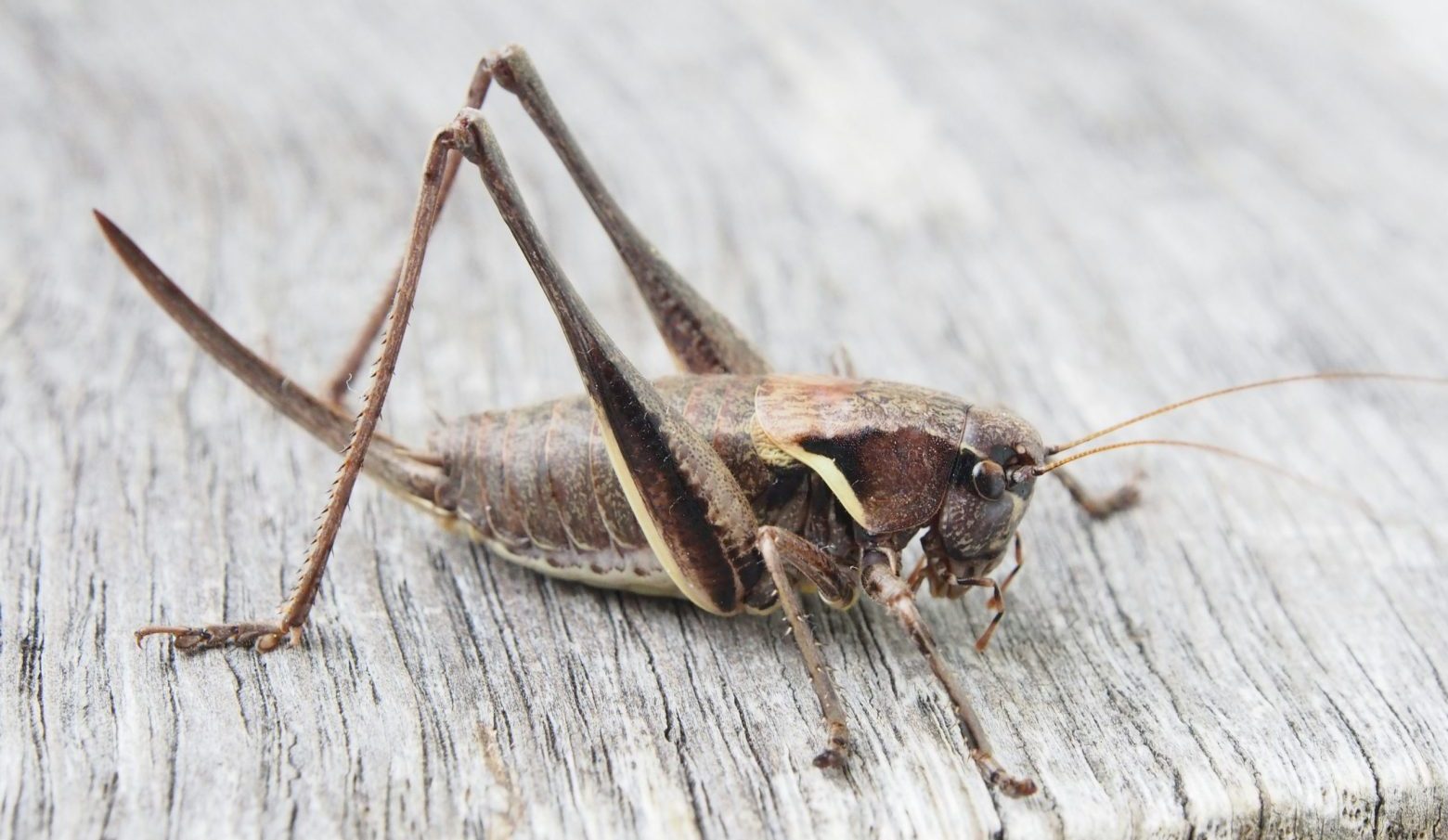
Field crickets are dark brown or black insects commonly found outdoors in grassy areas, gardens, and other vegetated locations. They may become conspicuous when large numbers gather around buildings or outdoor lights.
These crickets can enter homes through gaps around doors, windows, foundations, and garage entrances. Once inside, they may hide in basements where present, utility rooms, garages, storage areas, or other quiet spaces.
Field crickets can also damage certain household materials by feeding on fabric, paper, and other organic substances, particularly when alternative food sources are limited.
House Crickets
House crickets are generally yellowish-brown and may have darker markings on their bodies. They are known for their chirping and their ability to survive in sheltered environments.
House crickets may enter buildings while seeking warmth, food, and protection. They can hide behind appliances, beneath furniture, inside closets, and around stored belongings.
Their chirping can become particularly irritating when one or more crickets are hiding inside a bedroom or near another frequently used living space. Because crickets are most noticeable when making noise after dark, it can sometimes take time to locate the insect responsible.
Camel or Spider Crickets
Camel crickets have a distinctive humpbacked appearance and long legs. Unlike many familiar field and house crickets, they do not produce the characteristic chirping sound associated with those species.
They are commonly associated with damp, dark environments, including crawl spaces, garages, storage rooms, and areas beneath decks. Camel crickets may become a concern when moisture and suitable hiding places are available around a structure.
If these insects are repeatedly appearing in a garage or other sheltered area, inspecting for excess moisture, clutter, and possible entry points can help identify conditions contributing to their presence.
Signs You May Have a Cricket Problem
Crickets are usually easier to recognize than many household insects, but their presence can still be difficult to manage when they hide in inaccessible locations.
Persistent chirping: Repeated chirping from a bedroom, garage, or utility room may indicate that a cricket is hiding nearby. Male crickets produce these sounds to attract mates, and the noise can continue throughout the evening and night.
Crickets near doors and windows: Finding several crickets around entryways, window frames, or garage doors may suggest that the insects are entering through nearby gaps or are attracted to exterior lighting.
Indoor sightings: Discovering crickets in multiple rooms can indicate that they are finding several ways into the building or moving through connected interior spaces.
Insects hiding in storage areas: Garages, closets, and cluttered utility rooms can provide quiet places for crickets to shelter during colder weather.
Minor damage to materials: Crickets may feed on paper products, fabric, and other household materials, particularly when food is scarce. Damage is more likely when insects remain in sheltered areas for an extended period.
Seeing an occasional cricket does not necessarily mean you have a significant infestation. However, repeated sightings, persistent noise, or large numbers around the exterior of your property may justify a closer inspection.
Where Crickets Hide During Fall and Winter
When outdoor conditions become less comfortable, crickets may seek shelter in locations that provide protection and suitable food sources.
Garages are a frequent entry point because overhead doors may not close tightly against the ground. Small gaps around side doors, damaged weatherstripping, and openings near utility lines can also allow insects to enter.
Crawl spaces and areas beneath porches or decks can provide shelter, particularly where moisture and debris accumulate. Crickets may also hide beneath firewood, landscape timbers, outdoor storage containers, and dense vegetation close to the foundation.
Inside the home, crickets may settle behind appliances, under furniture, in closets, or inside storage boxes. Cardboard and paper clutter can create additional hiding places, especially in garages and utility rooms.
Camel crickets are especially associated with damp, protected areas, so persistent sightings may warrant checking for plumbing leaks, drainage problems, or excessive moisture.
Knowing where crickets congregate makes prevention more effective. Rather than relying exclusively on removing visible insects, homeowners should address the conditions that allow them to enter and remain around a property.
How to Keep Crickets Out of Your Dallas Home
Several preventative measures can help reduce cricket activity around your home during fall and winter.
Seal Gaps Around Doors and Windows
Inspect exterior doors, windows, garage entrances, and other potential entry points. Replace worn weatherstripping, repair damaged window screens, and install suitable door sweeps where gaps are present.
Check around plumbing and utility penetrations for openings that may allow insects indoors. Use appropriate sealing materials while preserving necessary ventilation and drainage.
Garage doors deserve special attention because even small gaps along the bottom or sides can provide convenient access for insects.
Reduce Outdoor Lighting That Attracts Crickets
Many crickets are attracted to artificial lighting, particularly at night. Bright exterior lights near doors and windows can draw insects toward entry points.
Consider turning off unnecessary outdoor lights or using motion-activated fixtures. Where practical, choose warmer-colored bulbs designed to attract fewer insects than some conventional lighting options.
Keep lighting sufficient for safe movement around entrances and walkways, but avoid illuminating areas unnecessarily close to doors and windows.
Maintain Landscaping Around the Foundation
Trim vegetation that touches exterior walls and remove accumulated leaves and other debris near the foundation. Avoid allowing thick ground cover, stored materials, or unmanaged vegetation to create sheltered spaces immediately beside the house.
Move firewood and other stored items away from the building where practical. Keeping these materials off the ground can also help reduce damp conditions and make inspections easier.
Reduce Indoor Clutter and Moisture
Organize garages, storage rooms, and closets to limit hiding places. Store paper products and belongings in suitable containers, and vacuum areas where crickets have been found.
Repair leaking pipes and address drainage problems that leave crawl spaces, garages, or other areas persistently damp. Reducing moisture can be especially helpful when camel crickets are present.
Why Professional Cricket Control May Be Necessary
Basic prevention can reduce the number of crickets entering a building, but recurring activity may require a more targeted approach. If crickets continually appear despite sealing accessible gaps and reducing outdoor attractants, an inspection can help identify the source.
Professional cricket control typically begins with evaluating the property’s exterior and the locations where insects are being found. A pest control professional can look for common entry points, sheltered harborage areas, moisture concerns, and conditions that may be attracting crickets.
Depending on the situation, treatment may include targeted applications to appropriate exterior areas, attention to specific entry points, and recommendations for reducing insect activity around the building. Indoor treatment may be considered where necessary and appropriate for the species and location.
The best strategy depends on whether the problem involves a few crickets entering accidentally, repeated field cricket activity near exterior lighting, or a more persistent population in damp or sheltered areas.
When choosing a Dallas pest control company, ask about inspection procedures, recommended treatment methods, preparation requirements, and follow-up service. Pesticides should always be used according to their labels, particularly in homes with children and pets.
A well-planned approach focuses on both reducing current cricket activity and correcting the conditions that allow insects to continue entering the property.
When Should You Call a Dallas-Area Pest Control Company?
An occasional cricket indoors may not require professional treatment. However, persistent chirping, repeated sightings in several rooms, or large numbers gathering around exterior entrances can indicate a problem that deserves attention.
Professional help may also be worthwhile when crickets repeatedly enter your garage, crawl space, or other protected areas despite preventative maintenance.
Addressing the problem during fall can help limit the number of insects that move into sheltered areas as temperatures decline. Winter is also an appropriate time to correct entry points, reduce clutter, and investigate persistent activity inside heated buildings.
Our Dallas-area pest control company helps homeowners identify pest concerns and determine appropriate control options. We can assess the conditions contributing to cricket activity and recommend steps to help reduce unwanted insects around your property.
Protect Your Dallas Home From Crickets This Fall and Winter
Crickets may be associated with warm evenings outdoors, but they can remain a nuisance around Dallas homes throughout fall and winter. Seasonal weather changes, sheltered hiding places, moisture, and exterior lighting can all contribute to unwanted cricket activity.
Sealing entry points, reducing unnecessary outdoor lighting, maintaining landscaping, and addressing moisture problems can make your home less attractive to these pests. When crickets continue appearing despite your efforts, a professional inspection can help identify the underlying problem and determine whether treatment is appropriate.
If you are dealing with crickets in Dallas, Irving, Plano, Richardson, Garland, or another nearby North Texas community, contact our team to discuss your pest control concerns and available service options.
Taking action before a small cricket problem becomes a recurring nuisance can help keep your home quieter, more comfortable, and better protected throughout the cooler months.