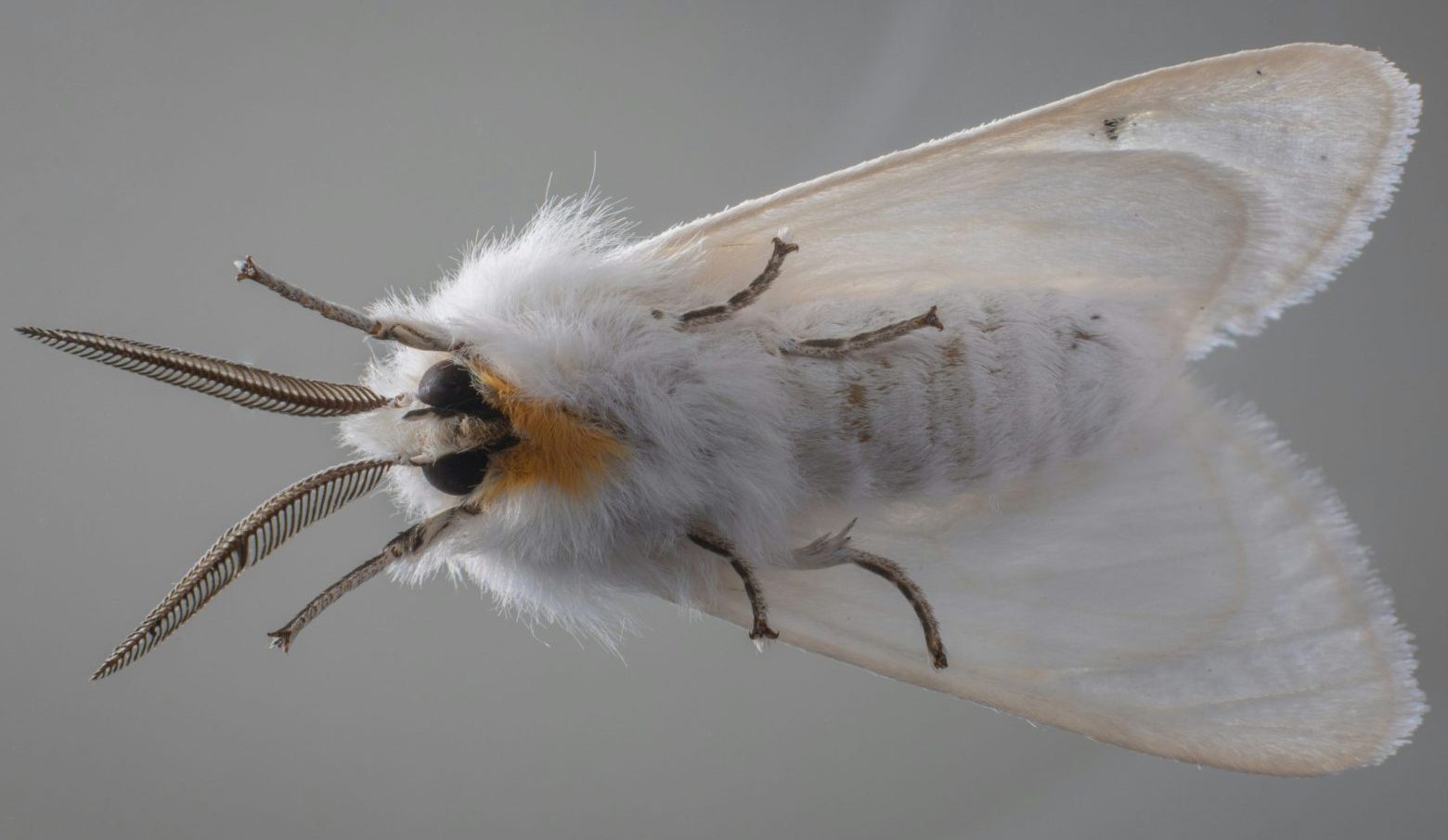
Moths are often associated with warm summer evenings, but these insects can remain a nuisance for homeowners throughout the fall and winter in Dallas, Texas. While outdoor moth activity may decrease as temperatures drop, certain species can continue living and reproducing inside heated homes, kitchens, closets, and storage areas. Pantry moths can contaminate stored food, while clothes moths may damage wool, silk, and other natural-fiber materials.
At our Dallas-area pest control company, we help homeowners understand why moths appear indoors, how to identify the type of moth causing a problem, and what steps can help control an infestation. Whether you live in Dallas, Irving, Plano, Richardson, Garland, or another North Texas community, understanding seasonal moth activity can help you protect your home throughout the colder months.
Why Moths Become a Problem in Dallas During Fall and Winter
Dallas experiences a combination of hot summers, mild fall weather, and winters that can include both relatively warm periods and occasional freezing temperatures. These changing conditions influence moth activity, but falling outdoor temperatures do not necessarily eliminate moth problems.
Some moths enter buildings accidentally while flying toward exterior lights. Others arrive inside food packages, stored clothing, secondhand furniture, or other household belongings. Once certain species establish themselves indoors, they may continue developing regardless of outdoor weather.
Heated homes provide relatively stable temperatures, allowing pantry moths and clothes moths to remain active during the winter. Kitchens, pantries, closets, laundry rooms, and storage areas can provide food, shelter, and suitable places for immature moths to develop.
Homeowners sometimes assume that moths will disappear naturally once cold weather arrives. However, an established indoor infestation may persist until its source is identified and addressed.
Professional pest control can help determine which type of moth is present and whether the problem requires targeted treatment, sanitation, or other corrective measures.
Common Types of Moths Found in Dallas Homes
Identifying the moth species is an important first step because different moths feed on different materials. A moth flying around a kitchen may require a completely different response from one discovered inside a bedroom closet.
Pantry Moths
Pantry moths, including the commonly encountered Indianmeal moth, are a frequent source of indoor pest problems. Adult Indianmeal moths are small, with distinctive two-tone forewings that are typically gray near the body and coppery or reddish-brown toward the outer portion.
These moths are associated with stored food products rather than clothing. Their larvae may feed on flour, cereal, rice, pasta, nuts, dried fruit, seeds, spices, pet food, and other suitable dry goods.
An infestation may begin when a contaminated package is brought home from a grocery store. Pantry moth eggs and young larvae can be difficult to notice, allowing the insects to develop unnoticed inside a food container.
As the infestation progresses, homeowners may notice adult moths flying around kitchen cabinets, larvae crawling along walls or ceilings, or fine webbing inside packages. Discovering these signs means it is important to inspect nearby food storage areas carefully.
Clothes Moths
Clothes moths can cause damage to clothing, blankets, rugs, and other materials containing animal-based fibers. Some species feed on wool, silk, fur, feathers, and other materials containing keratin.
The larvae cause the damage rather than the adult moths. They may feed on suitable textiles stored in closets, under beds, in storage boxes, or in rarely used rooms.
Clothes moths are generally less conspicuous than pantry moths because they often avoid bright, open areas. Infestations may first become apparent when small holes appear in garments or when larvae, silk-like cases, or other signs are discovered among stored fabrics.
Clothes moth larvae may also be attracted to textiles stained with food, sweat, or other organic residues. Properly cleaning and storing seasonal clothing can help reduce the risk of an infestation.
Outdoor Moths That Enter Homes
Many moths seen around Dallas homes are outdoor species that enter accidentally through open doors, windows, damaged screens, or other openings. Exterior lights can attract flying insects, increasing the likelihood that moths will come close to entry points.
Finding a single moth near a porch light or inside a room does not automatically mean that your home has an infestation. Repeated sightings in the same area, however, may justify a closer inspection to determine whether the insects are breeding indoors or entering from outside.
Understanding the distinction between outdoor moths and stored-product or fabric pests helps prevent unnecessary treatments.
Signs of a Moth Infestation in Your Home
Moths can be difficult to control when their eggs and larvae remain hidden. Recognizing the early warning signs can help homeowners address the problem before it spreads.
Adult moths flying indoors: Repeatedly seeing small moths near kitchen cabinets, pantries, or closets may indicate an established food or fabric infestation.
Webbing inside food packages: Pantry moth larvae can produce silk-like webbing that may bind together dry food particles. Inspect packages carefully if you notice unusual clumps or webbing.
Larvae in cupboards or on walls: Mature pantry moth larvae may leave their food source and crawl along nearby surfaces when they are ready to pupate. Finding larvae near the ceiling or on a wall does not necessarily mean they are feeding there.
Damage to clothing and textiles: Small holes, damaged wool garments, and deteriorating natural-fiber materials may indicate clothes moth activity. Other causes of fabric damage are possible, so look for additional evidence before determining the source.
Moths emerging from stored belongings: Adult moths repeatedly appearing near boxes of food, seasonal clothing, or long-term storage areas may indicate that a breeding source is nearby.
When these signs appear, identifying the source is more effective than simply removing or killing the adult moths you see.
Where Moths Hide During Fall and Winter
Indoor moths often remain close to the materials their larvae use for food. Finding these locations is essential when developing a control plan.
Pantry moths may be associated with food stored in kitchen cabinets, pantry shelves, utility rooms, and garages. Pet food, birdseed, and bulk dry goods stored in bags or containers can also provide potential food sources.
Clothes moths may occur in closets, storage chests, dresser drawers, beneath furniture, and in the folds of rugs. Seasonal garments that remain undisturbed for months can be especially vulnerable when suitable larvae are present.
Garages and storage areas may be relevant when food products, fabrics, or other susceptible materials are kept in cardboard boxes. These spaces can be overlooked during routine cleaning, allowing a problem to continue unnoticed.
During colder weather, the stable indoor environment may allow an infestation to persist even when outdoor moth activity declines. This makes fall and winter good times to inspect stored food, seasonal clothing, and belongings that have not been moved recently.
How to Prevent Pantry Moths During the Colder Months
Preventing pantry moths requires attention to the food products and storage conditions that support their development.
Start by inspecting dry goods for adult moths, larvae, webbing, or unusual clumping. Check flour, cereal, grains, dried fruit, nuts, spices, pet food, and other products that may have remained in storage for an extended period.
Discard infested food in a securely sealed bag and remove it from the home. Avoid transferring suspect food into another container before checking it carefully, since larvae or eggs may be present.
Vacuum pantry shelves, cabinet corners, shelf brackets, and cracks where food particles can accumulate. Afterward, dispose of the vacuum contents appropriately and wipe the affected surfaces clean.
Store susceptible dry goods in tightly sealed containers made from suitable materials. Thick, well-sealed plastic, glass, or metal containers can help prevent moths from entering or escaping food packages.
Inspect new food purchases before placing them in your pantry. Because infestations can begin with contaminated products, maintaining a clean kitchen alone may not prevent every occurrence.
How to Protect Clothing From Moths
Clothes moth prevention focuses on proper textile care and storage.
Clean clothing before placing it into long-term storage, particularly if it has been worn. Remove food stains and other organic residues, and make sure fabrics are completely dry before packing them away.
Store susceptible garments in clean, sealed containers or garment bags designed to protect against insects. Periodically inspect wool clothing, blankets, rugs, and other natural-fiber materials that are rarely used.
Vacuum closets, beneath furniture, and around carpet edges where fibers, lint, and other debris may accumulate. If an item appears damaged, inspect it for larvae and other evidence before returning it to storage.
Mothballs and similar products should only be used according to their labels and in the specified types of sealed spaces. They should not be scattered around an open closet or used in a way that exposes people or pets to unnecessary pesticide vapors.
When to Call a Dallas-Area Pest Control Company
Some moth problems can be resolved by removing infested food, cleaning storage areas, or laundering and properly storing affected fabrics. However, persistent infestations may require professional assistance.
If moths continue appearing after you have discarded contaminated products and cleaned the affected spaces, additional food sources or hidden breeding locations may remain. A pest control professional can inspect the property, help identify the moth species, and recommend appropriate next steps.
Treatment depends on the source of the infestation. Pantry moth problems often require locating and removing the infested food, while clothes moth issues may require a closer examination of vulnerable fabrics and storage locations. Outdoor moths entering through windows or doors may call for exclusion measures and changes to exterior lighting rather than extensive indoor treatment.
When choosing a Dallas pest control provider, ask about the inspection process, recommended control measures, preparation requirements, and whether follow-up service is appropriate. Pesticides should be used only when suitable for the pest and location, following all label directions. Food and exposed clothing should be protected from any treatment that is not specifically approved for contact with those materials.
Keep Your Dallas Home Protected From Moths This Fall and Winter
Moths can remain a problem long after summer ends, especially when pantry moths or clothes moths establish themselves inside a heated home. Identifying the species, removing infested materials, cleaning affected areas, and storing food and clothing properly can all help reduce moth activity.
Our Dallas-area pest control company helps homeowners understand pest concerns and determine appropriate control options. Whether you are discovering moths in your kitchen, finding damage to stored clothing, or repeatedly seeing insects throughout your home, identifying the source is an important step toward resolving the problem.
If you need help with moths in Dallas, Irving, Plano, Richardson, Garland, or a nearby North Texas community, contact our team to discuss your pest control concerns and available services. Taking action early can help protect your stored food, clothing, and living spaces throughout fall, winter, and the rest of the year.