Living in the Dallas-Fort Worth area has plenty of advantages, but dealing with household pests is something many homeowners would rather avoid. The North Texas climate creates favorable conditions for a wide variety of insects and rodents throughout the year. Warm temperatures, periods of heavy rainfall, and relatively mild winters allow many pest populations to remain active even when other parts of the country experience seasonal declines.
From ants and cockroaches to spiders, crickets, and rodents, unwanted pests can find their way into homes through surprisingly small openings. Some are attracted to food and moisture, while others seek shelter, nesting locations, or access to other insects. Understanding why pests enter homes and how to discourage them can help homeowners avoid larger infestations.
Why Household Pests Are Common in North Texas
The combination of warm weather and suburban development makes pest activity a regular concern throughout the Dallas-Fort Worth region. Residential neighborhoods often contain landscaped yards, mature trees, gardens, mulch beds, and other features that provide shelter for insects and wildlife.
When temperatures rise, ants and cockroaches become increasingly active. During rainy periods, crickets and other ground-dwelling insects may move toward foundations and structures. When outdoor conditions become uncomfortable, rodents and spiders may look for more suitable environments inside garages, attics, crawl spaces, and wall cavities.
Homeowners in Dallas, Frisco, and Plano can encounter many of the same pest problems, even though individual neighborhoods may have different landscaping and property characteristics.
Ants Can Quickly Become a Household Nuisance
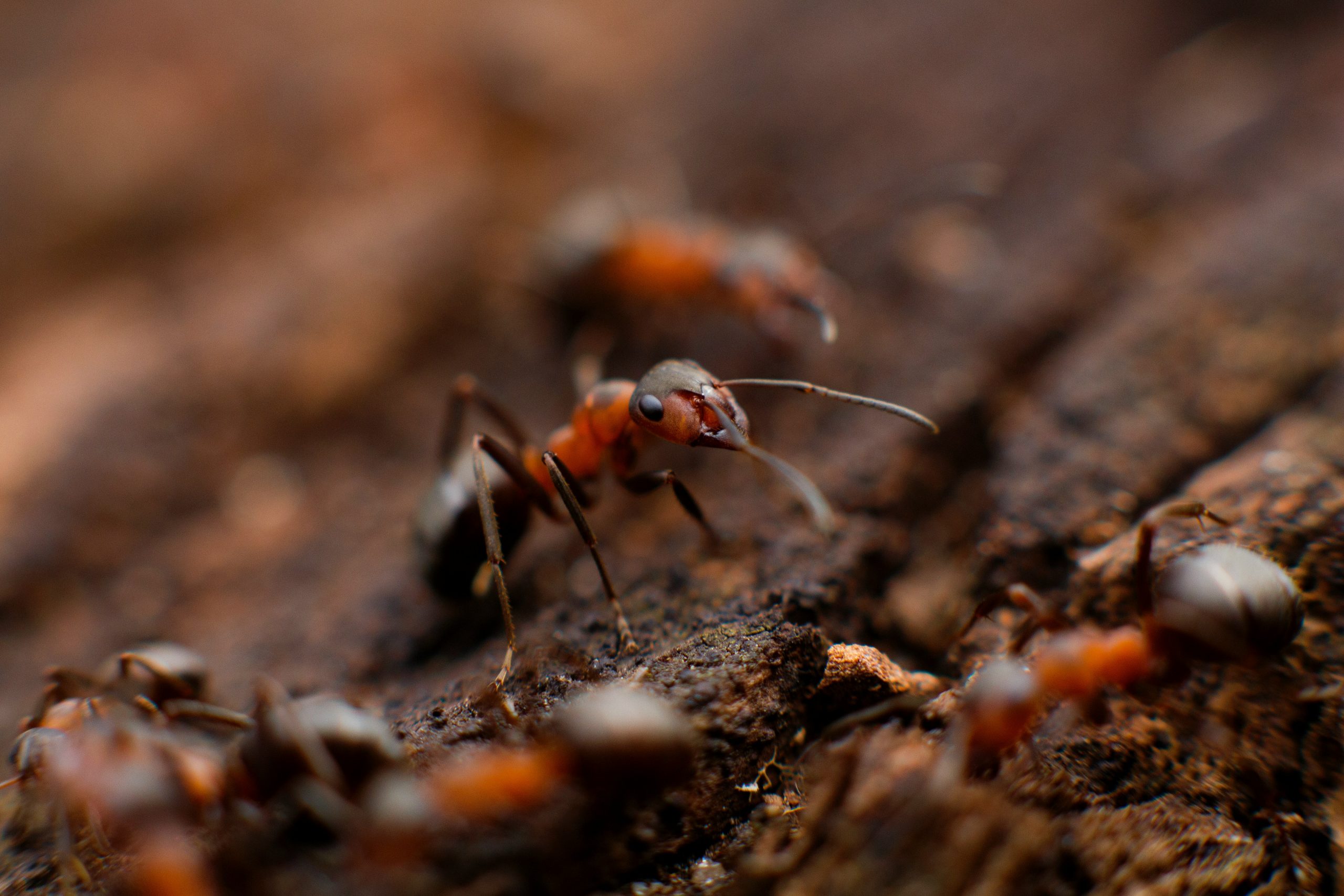
Ants are among the most frequently encountered household pests. They commonly enter through gaps around doors, windows, utility lines, and foundation openings. Once worker ants discover a dependable food source, they can establish trails between their colony and the kitchen, pantry, or other areas where food is available.
Different ant species have different nesting habits. Some establish colonies in soil, while others may nest beneath concrete, inside wall voids, or around landscaping features.
Keeping food containers sealed, cleaning spills promptly, and removing standing water can reduce the attractiveness of a property. However, eliminating visible ants does not necessarily address the colony responsible for the infestation.
Cockroaches and Waterbugs Thrive Around Moisture
Cockroaches are particularly troublesome because they can survive in a variety of indoor environments. Kitchens, bathrooms, laundry rooms, garages, and utility areas provide many of the conditions these insects need.
Waterbugs, a common name often used for certain large cockroaches, are another concern for homeowners. They may enter through plumbing openings, foundation gaps, drains, and exterior doors.
These insects are attracted to moisture, food debris, and protected hiding places. Even a relatively clean home can experience cockroach activity if insects have access to plumbing penetrations or suitable outdoor nesting locations.
Reducing moisture is an important part of prevention. Repair leaking faucets, eliminate unnecessary standing water, and keep areas beneath sinks as dry as possible.
Crickets and Spiders Around the Home
Crickets are common outdoor insects throughout North Texas. They frequently gather around exterior lighting, landscaping, foundations, and garage entrances. Once inside, they may become trapped in basements, storage areas, closets, and other quiet locations.
Spiders are often found in garages, sheds, attics, and undisturbed corners. Most spiders are not aggressive toward people, and many feed on other insects. However, a large number of webs or repeated spider sightings can indicate that other insects are providing a dependable food source.
Removing webs, reducing outdoor clutter, and addressing insect activity around the home can help discourage spiders from establishing themselves indoors.
Rodents Can Create More Serious Problems
Mice and rats are more than an occasional nuisance. They can chew electrical wiring, damage insulation, contaminate stored materials, and create nesting areas in attics and wall cavities.
Rodents generally seek three things: food, water, and shelter. Open garbage containers, pet food, birdseed, and accessible pantry supplies can attract them. Small openings around garage doors, pipes, vents, and utility lines provide potential entry points.
Homeowners should inspect the exterior of their properties for gaps and damaged weatherstripping. Sealing access points is particularly important because rodents can enter through openings that appear too small to be significant.
Bedbugs, Fleas, and Other Indoor Pests
Not all household pests originate in the yard or around the foundation. Bedbugs, for example, are frequently transported into homes through luggage, used furniture, clothing, and other personal belongings.
These insects hide in mattress seams, bed frames, furniture joints, and small cracks near sleeping areas. Their presence is not necessarily an indication of poor housekeeping.
Fleas are another concern, particularly for households with dogs and cats. Although pets are common carriers, fleas can also develop in carpeting, upholstered furniture, bedding, and shaded outdoor areas.
Regular vacuuming, washing pet bedding, and maintaining appropriate pet treatments can help reduce flea activity. Bedbug infestations generally require a more specialized treatment approach.
Preventing Household Pest Problems
There are several practical steps homeowners can take to make their properties less attractive to pests.
- Keep kitchen counters, floors, and food preparation areas clean.
- Store dry foods in tightly sealed containers.
- Repair leaking faucets and plumbing connections.
- Remove leaves and debris from around the foundation.
- Keep garbage containers closed.
- Trim shrubs and vegetation away from exterior walls.
- Inspect window screens and door sweeps.
- Seal openings around plumbing, wiring, and utility connections.
- Reduce unnecessary clutter in garages and storage areas.
- Check attics and garages periodically for signs of rodents.
These steps will not prevent every pest from entering a home, but they can reduce the conditions that allow infestations to develop.
Professional Pest Control for Dallas-Fort Worth Homes
Pest problems can differ significantly from one property to another. A home experiencing recurring ant activity may require a different approach than a property with cockroaches, rodents, fleas, or bedbugs.
Professional pest control involves identifying the pest, locating areas of activity, determining how insects or rodents are entering, and selecting an appropriate treatment strategy.
Homeowners in Denton, Irving, Richardson, and surrounding communities can benefit from addressing pest activity before it becomes a more extensive problem.
Keep Your Home Protected From Unwanted Pests
Household pests are a fact of life in North Texas, but homeowners do not have to accept recurring infestations as normal. Paying attention to sanitation, moisture, landscaping, and potential entry points can make a substantial difference.
Whether the problem involves ants in the kitchen, cockroaches around plumbing, spiders in the garage, or rodents in the attic, identifying the source is an important first step toward controlling the problem. A consistent approach to prevention and professional pest management can help keep your home more comfortable throughout the year.