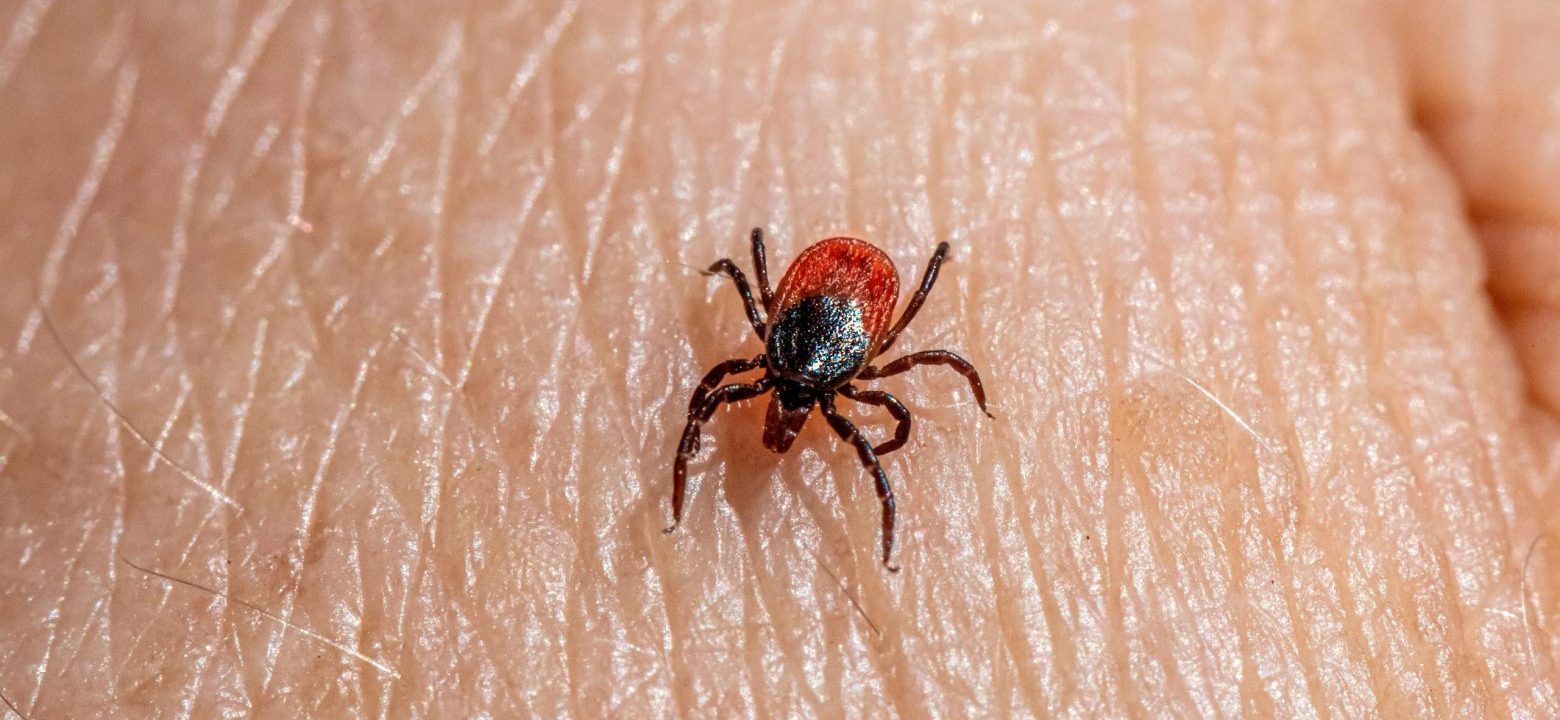
Many Dallas-area homeowners assume ticks are only a concern during the spring and summer. However, these parasites can remain active during fall and winter when temperatures are mild, and some species can survive in sheltered environments throughout the year. Ticks may be found in yards, landscaped areas, leaf litter, wooded locations, and places where pets or wildlife travel. Once ticks become established around a property, they can create concerns for both people and animals.
At our Dallas-area pest control company, we help property owners understand seasonal tick activity and identify practical ways to reduce tick populations around their homes. Whether you live in Dallas, Irving, Plano, Richardson, Garland, or another North Texas community, understanding where ticks live and when they are active can help you protect your household throughout the colder months.
Why Ticks Remain a Concern in Dallas During Fall and Winter
Dallas experiences changing weather throughout fall and winter, with periods of mild temperatures interrupted by occasional cold snaps and freezing conditions. These temperature variations mean tick activity does not necessarily stop when summer ends.
Different tick species respond differently to changes in temperature and moisture. Some are more active during warmer months, while others may remain active during cooler periods when environmental conditions are suitable. Ticks can also shelter beneath leaf litter, vegetation, and other materials that offer protection from temperature extremes.
The brown dog tick presents a particular challenge because it can infest indoor environments, including kennels, homes, and other buildings where dogs spend time. Unlike many ticks that depend heavily on outdoor habitat, brown dog ticks can complete their life cycle indoors when conditions are favorable.
Outdoor ticks may become less noticeable during periods of cold weather, but that does not guarantee they have disappeared. As temperatures rise again, surviving ticks may resume activity and encounter people or pets moving through affected areas.
For Dallas homeowners, fall and winter are useful seasons to inspect the yard, manage vegetation, address tick-friendly habitats, and establish preventative habits before warmer weather returns.
Common Types of Ticks Found in North Texas
Understanding which ticks may be present around your property is important because species differ in their preferred habitats, seasonal activity, and potential health risks.
Lone Star Ticks
Lone star ticks are found in Texas and are associated with areas containing vegetation, leaf litter, and suitable wildlife hosts. Adult females have a distinctive pale spot on their backs, which gives the species its name.
These ticks may be encountered around brushy areas, wooded property edges, and locations where animals travel. They can attach to people and pets that pass through infested vegetation.
Lone star ticks are known to transmit certain diseases, including ehrlichiosis. They have also been associated with alpha-gal syndrome, an allergy that can develop after certain tick bites. Preventing tick bites is therefore important even when outdoor activity decreases during the colder months.
American Dog Ticks
American dog ticks may be found in grassy areas, along paths, and in other outdoor environments used by people and animals. They can be carried into yards by animals moving through suitable habitats.
These ticks are recognized by their patterned markings and may be mistaken for other tick species. American dog ticks can transmit diseases, including Rocky Mountain spotted fever, making prevention and prompt attention to tick exposure important.
Although activity varies with weather and life stage, homeowners should not assume that every tick encountered during fall or winter belongs to the same species.
Blacklegged Ticks
Blacklegged ticks, also called deer ticks, are associated with certain wooded and brushy habitats. Their seasonal activity varies by location and life stage, and some stages can remain active during cool weather when conditions permit.
These ticks are known for transmitting Lyme disease in regions where the disease is established. The likelihood of encountering infected ticks varies geographically, so local risk depends on the species present and the pathogens they carry.
Brown Dog Ticks
Brown dog ticks are particularly relevant when dogs live or spend time on a property. They can infest animal resting areas and may hide in cracks, crevices, kennels, and other sheltered locations.
Heavy infestations may spread beyond the pet and become established inside a home. This can make control more complicated because treating the yard alone may not eliminate ticks already reproducing indoors.
If you repeatedly discover ticks on your dog or find them crawling along indoor walls, ceilings, or near pet resting areas, professional inspection may help determine whether a brown dog tick infestation is present.
Where Ticks Hide During Fall and Winter
Ticks do not typically jump or fly onto people and animals. Instead, they wait in suitable environments and attach when a host brushes past them. Understanding where they shelter can help you reduce encounters around your home.
Leaf litter and yard debris: Fallen leaves can create a protected environment where ticks and their hosts may be found. Thick accumulations along fences, garden beds, and property edges can provide suitable hiding places.
Tall grass and dense vegetation: Unmaintained grassy areas and overgrown vegetation can make it easier for ticks to encounter people and pets moving through the yard.
Wooded property boundaries: Homes near wooded areas or brushy drainage corridors may have increased exposure because wildlife can carry ticks through these locations.
Pet resting areas: Dogs and cats may bring ticks into the home after spending time outdoors. Brown dog ticks can also become established in kennels, bedding, and indoor cracks or crevices.
Outdoor storage and sheltered spaces: Areas beneath decks, porches, or dense landscaping may provide suitable cover for some ticks and the animals that carry them.
During fall and winter, inspect these areas periodically, especially after mild weather. Removing suitable habitat and limiting contact with infested vegetation can help reduce tick exposure.
How to Reduce Tick Activity Around Your Dallas Property
Although no yard maintenance plan can guarantee a tick-free property, several practical measures can help make your outdoor spaces less favorable to ticks.
Keep Grass and Vegetation Maintained
Mow the lawn regularly during periods of active growth and trim overgrown vegetation around walkways, patios, and frequently used outdoor areas. Removing excessive plant growth can reduce the number of places where people and pets brush against vegetation that may harbor ticks.
Pay particular attention to shaded areas near fences, landscaping, and wooded edges.
Remove Fallen Leaves and Debris
Rake fallen leaves and remove accumulated yard debris where practical. Keep leaf piles away from patios, play areas, and locations where pets spend significant time.
Do not assume that every pile of leaves contains ticks, but limiting unnecessary accumulations can reduce suitable sheltered habitat and make the yard easier to inspect.
Create a Buffer Near Wooded Areas
Where practical, maintain a clear, well-managed transition between wooded property edges and areas used for recreation. A defined border using suitable landscaping materials may help separate frequently used yard areas from dense vegetation.
Keep seating areas, play spaces, and pet exercise locations away from heavily overgrown sections of the property when possible.
Discourage Unwanted Wildlife Activity
Wildlife can transport ticks into residential areas. Secure garbage containers, avoid intentionally feeding wild animals, and remove accessible food sources that may attract rodents or other wildlife.
Store outdoor items neatly and address openings that could allow wildlife into sheds or other structures. Any wildlife exclusion work should be conducted only after confirming that animals will not be trapped inside.
Use Tick Prevention for Pets
Inspect dogs and cats after they spend time outdoors, particularly around the ears, neck, legs, and other areas where ticks may attach. Ask a veterinarian about suitable tick-prevention products for your pet's species, age, and health.
Environmental pest control and veterinary tick prevention serve different purposes. Treating vegetation around a home does not replace protection for pets, and pet treatment alone may not resolve a substantial tick population in the surrounding environment.
Why Professional Tick Control May Be Necessary
Routine yard maintenance can reduce suitable tick habitat, but it may not be enough when tick activity continues or an infestation has developed indoors.
Our approach to tick control begins with evaluating the property and identifying the areas where ticks are most likely to occur. Depending on the circumstances, this may include examining vegetation, property edges, pet resting areas, and possible indoor hiding locations.
Professional outdoor treatments may focus on selected areas where ticks are likely to shelter or where people and pets are most exposed. The appropriate treatment depends on the property, the suspected tick species, the surrounding environment, and the products available for the intended use.
Indoor infestations require a different approach. If brown dog ticks have become established inside a home or kennel, a professional may need to inspect cracks, crevices, baseboards, and areas surrounding pet bedding. Treatment may need to be coordinated with veterinary care and thorough cleaning.
When comparing Dallas pest control companies, ask about the inspection process, treatment locations, preparation instructions, pet safety, and whether follow-up visits are recommended. Any pesticide should be used according to its label, with appropriate precautions for children, pets, and beneficial wildlife.
Professional treatment is most effective as part of a broader plan that addresses tick habitats, host animals, and recurring sources of exposure.
What to Do If You Find a Tick on Yourself or Your Pet
If you discover an attached tick, remove it promptly using fine-tipped tweezers. Grasp the tick close to the skin and pull upward with steady, even pressure. Avoid twisting or crushing the tick, and clean the bite area and your hands afterward.
Do not use matches, petroleum jelly, or other substances intended to make the tick detach. These methods can delay removal.
If you develop a rash, fever, headache, unusual fatigue, or other concerning symptoms following a tick bite, contact a healthcare professional and explain when and where the exposure occurred. Different tick-borne diseases have different incubation periods, and symptoms may not appear immediately.
For pets, consult a veterinarian if you find attached ticks, notice unusual symptoms, or suspect a significant infestation.
Protect Your Dallas Home From Ticks This Fall and Winter
Ticks are not exclusively a spring and summer problem in North Texas. Mild winter weather, protected outdoor habitats, wildlife movement, and indoor infestations can all contribute to continued tick activity during colder months.
Maintaining vegetation, removing leaf litter, limiting wildlife attractants, inspecting pets, and using appropriate tick prevention can help reduce exposure. When ticks continue appearing around your home or become established indoors, professional inspection and targeted control may be necessary.
Our Dallas-area pest control company helps homeowners identify pest concerns and explore practical treatment options. If you are concerned about ticks in Dallas, Irving, Plano, Richardson, Garland, or another nearby North Texas community, contact our team to discuss your property and available pest control services.
Taking action during fall and winter can help reduce tick-friendly conditions and prepare your home and yard for the warmer months ahead.