A comfortable backyard is one of the best features of owning a home in North Texas. Unfortunately, outdoor pests can make it difficult to enjoy patios, lawns, gardens, swimming pools, and other exterior spaces. Mosquitoes, ticks, fleas, bees, ants, and various other insects are common concerns for homeowners throughout the Dallas-Fort Worth region.
Outdoor pest problems are not always limited to the yard. Some insects eventually make their way inside, while others can create nests near foundations, sheds, fences, and exterior structures.
Understanding where these pests live and what attracts them is an important part of maintaining a comfortable outdoor environment.
Mosquitoes Are a Major Summer Concern
Mosquitoes are among the most recognizable outdoor pests in North Texas. Their populations can increase quickly when temperatures are warm and water is available for reproduction.
Unlike some insects, mosquitoes do not need ponds or large bodies of water to reproduce. Small collections of standing water can provide suitable breeding locations.
Common sources include:
- Clogged rain gutters.
- Flowerpot trays.
- Buckets and containers.
- Unused tires.
- Birdbaths.
- Low areas with poor drainage.
- Water collected in outdoor equipment.
Removing these water sources can help reduce mosquito breeding opportunities.
Homeowners should also consider how landscaping affects mosquito activity. Dense vegetation and shaded areas can provide resting locations where adult mosquitoes avoid direct sunlight.
Ticks and Fleas Around Residential Properties
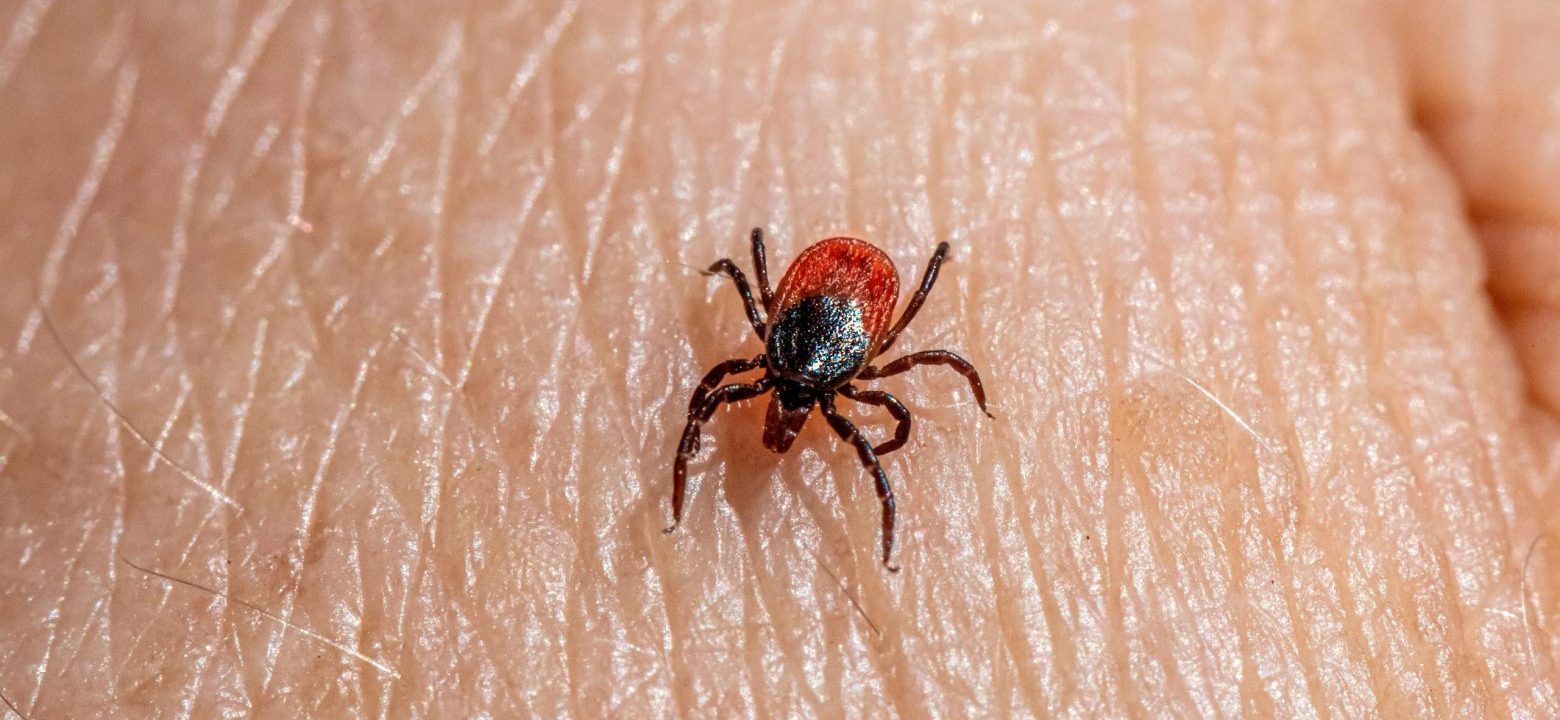
Ticks and fleas are important outdoor pests because they can affect household pets and people.
Ticks are often found in areas with tall grass, leaf litter, dense vegetation, and wildlife activity. They may be present along property boundaries, around wooded sections, and in places where animals frequently travel.
Keeping grass trimmed and removing excessive leaf litter can reduce suitable tick habitat. Creating a separation between maintained lawn areas and dense vegetation can also help.
Fleas are commonly associated with dogs and cats, but their populations can develop in outdoor areas where animals rest. Shaded locations beneath decks, shrubs, porches, and outdoor structures may provide favorable conditions.
Pet owners should discuss appropriate flea and tick prevention with their veterinarians. Treating the environment may also be necessary when outdoor populations become established.
Bees and Other Stinging Insects
Bees and other stinging insects can become a concern when they establish nests close to frequently used outdoor spaces.
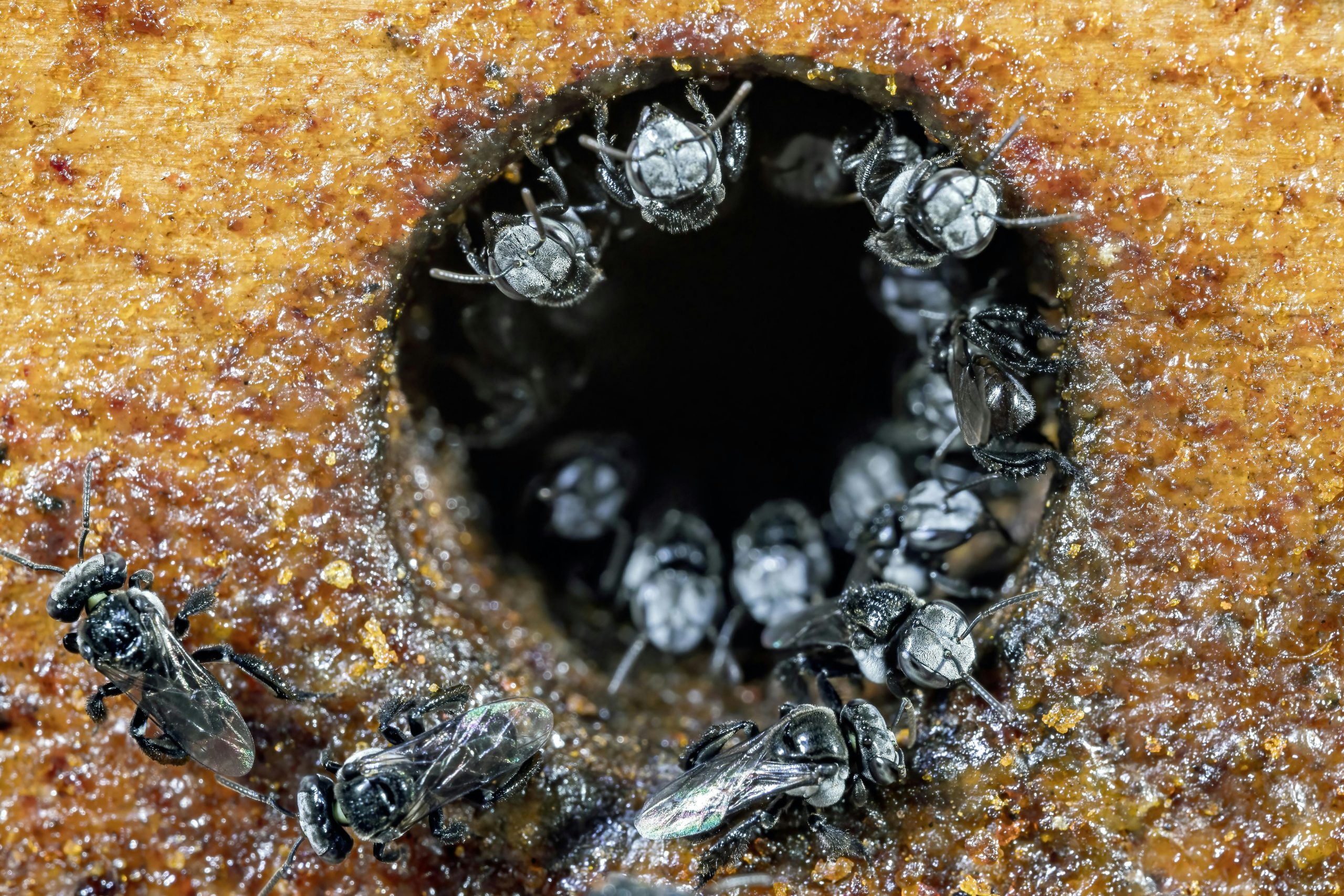
Bees are important pollinators and generally should not be treated as unwanted pests simply because they are present in a garden. However, colonies located inside walls, near entryways, or in other hazardous areas may require professional evaluation.
Wasps and hornets can also build nests beneath roof overhangs, inside sheds, around fences, and in trees.
Homeowners should avoid disturbing nests or attempting to remove large colonies without appropriate equipment and experience.
If a nest is located near a doorway, playground, patio, or other heavily used area, professional assistance is the safest approach.
Ants Can Take Over Patios and Outdoor Living Areas
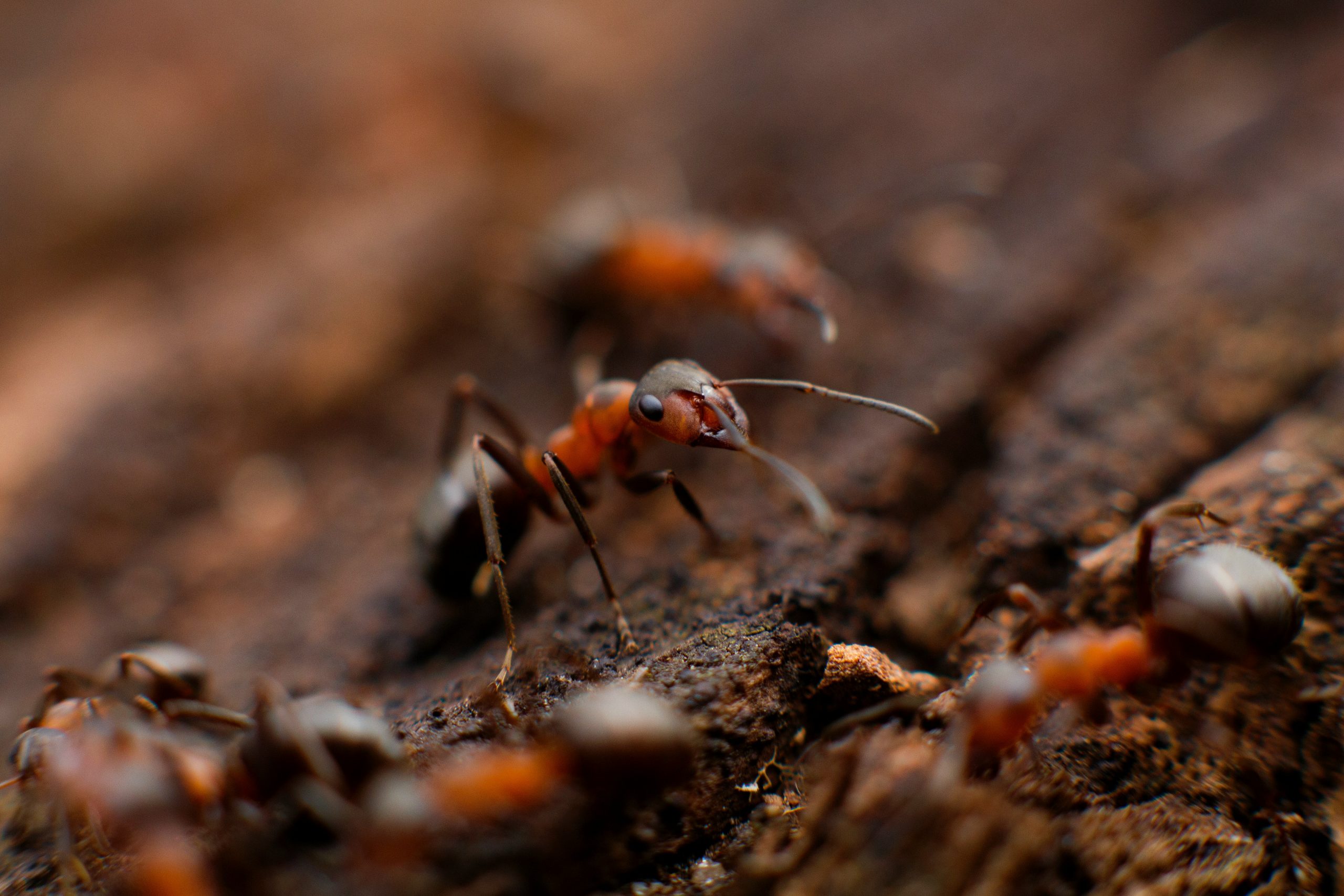
Ants frequently establish colonies in lawns, landscaping beds, sidewalk cracks, and beneath patios. Some species may also build nests close to foundations and outdoor structures.
Their presence becomes particularly noticeable when they begin searching for food around outdoor kitchens, grills, trash containers, and picnic areas.
Keeping food sealed, cleaning outdoor cooking surfaces, and removing fallen fruit can reduce the attraction.
Not every ant mound requires treatment, but recurring activity near structures or frequently used outdoor spaces may indicate a need for professional pest management.
Crickets, Beetles, and Moths in the Landscape
Crickets are common outdoor insects that often become noticeable around exterior lighting. They may gather near garage doors, patios, windows, and building foundations.
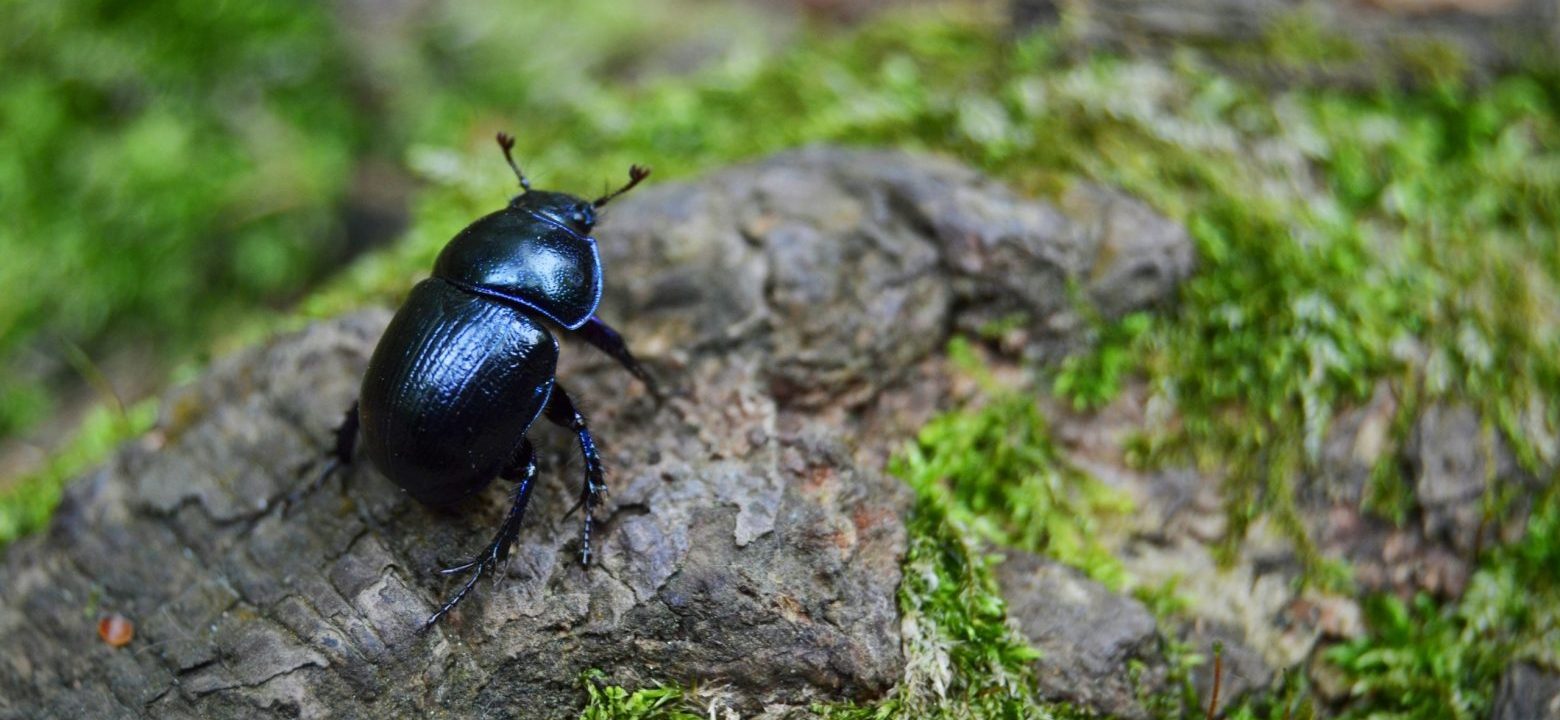
Beetles represent a large group of insects with different feeding and nesting habits. Some damage plants, while others may enter homes after being attracted to lights or searching for shelter.
Moths can also be found around outdoor lighting and landscaped areas. Certain species lay eggs on plants, while others may eventually become indoor pantry or fabric pests.
Outdoor lighting can influence insect activity. Replacing unnecessarily bright exterior lighting, directing fixtures away from doors and windows, and reducing nighttime illumination may help limit insect concentrations near entry points.
Spiders and Other Predatory Insects
Spiders often become established in outdoor areas where other insects are readily available.
They may build webs beneath patio furniture, around porch ceilings, in sheds, and along fence lines. Most spiders are beneficial predators that feed on insects.
However, excessive webbing around entrances and outdoor living spaces can be frustrating for homeowners.
Reducing insect activity, clearing webs, and removing clutter can make these areas less attractive to spiders.
Rodents Can Damage Outdoor Structures
Mice and rats are not limited to indoor environments. They may nest in sheds, storage buildings, woodpiles, landscaping materials, and other protected outdoor locations.
Food sources are an important factor. Birdseed, pet food, compost, and unsecured garbage can attract rodents.
Homeowners should keep stored materials organized and avoid stacking firewood directly against the house. Garbage containers should have secure lids, and openings around sheds and storage buildings should be repaired.
Outdoor Pest Problems in Dallas and Surrounding Cities
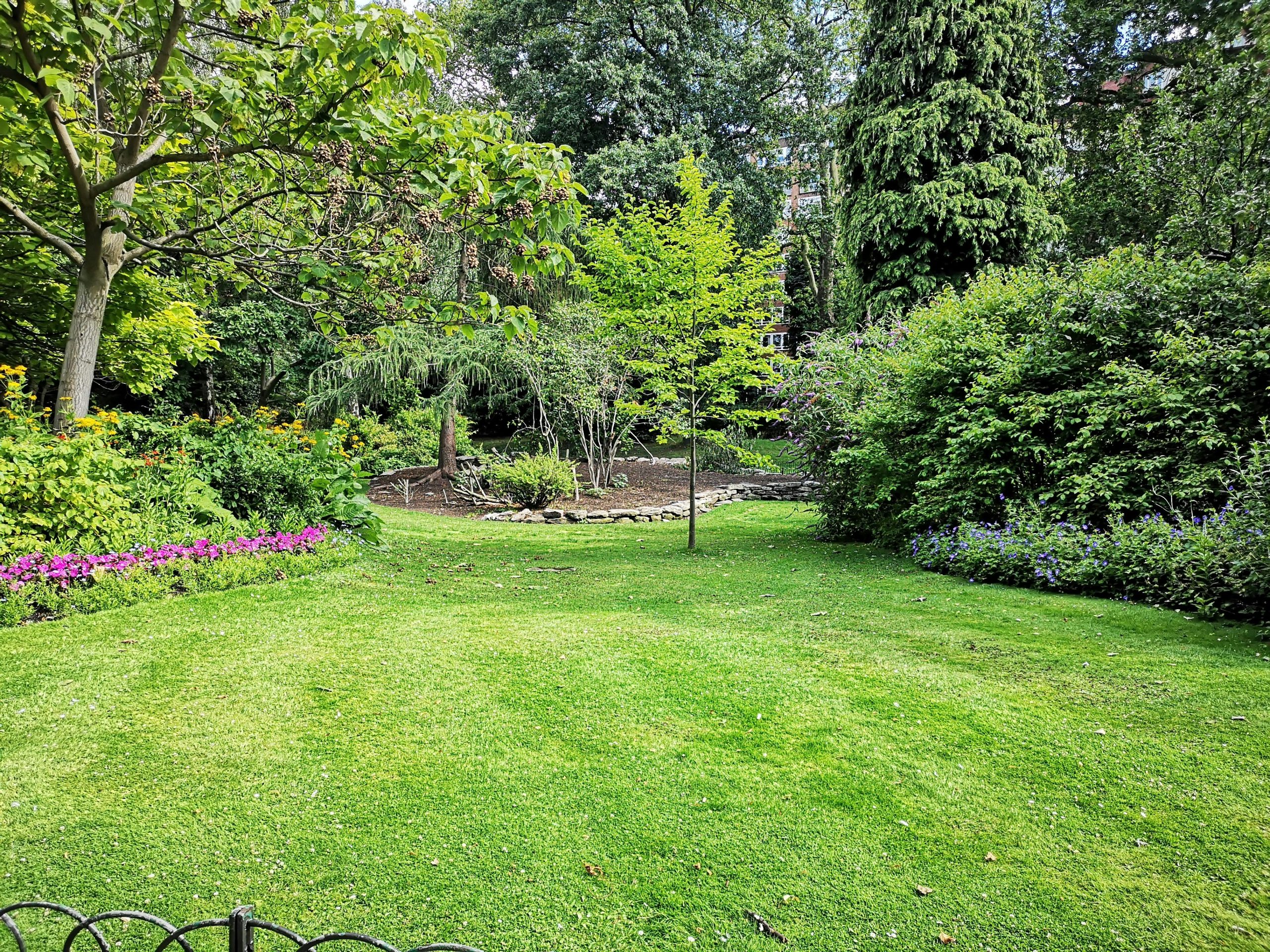
The Dallas-Fort Worth area contains a mixture of established neighborhoods, newer subdivisions, wooded properties, open spaces, and landscaped residential communities. Each environment creates different opportunities for pest activity.
Homeowners in Dallas, Frisco, and McKinney may experience mosquito and tick activity around landscaped yards and outdoor recreation areas.
Residents of Lewisville and Grand Prairie may encounter a variety of outdoor insects depending on property conditions, vegetation, and nearby water sources.
Properties in Richardson and Irving can also experience recurring problems with ants, crickets, spiders, mosquitoes, and other outdoor pests.
Steps to Make Your Yard Less Attractive to Pests
A few maintenance practices can help reduce outdoor pest activity.
- Eliminate standing water whenever possible.
- Keep grass and weeds under control.
- Remove accumulated leaves and yard debris.
- Trim vegetation away from exterior walls.
- Keep garbage containers tightly closed.
- Store firewood away from the house.
- Repair damaged screens and exterior openings.
- Clean outdoor kitchens and grill areas regularly.
- Avoid leaving pet food outdoors overnight.
- Inspect sheds, fences, and decks for insect nests.
These measures can help reduce pest activity, although they may not eliminate an established infestation.
Professional Outdoor Pest Management
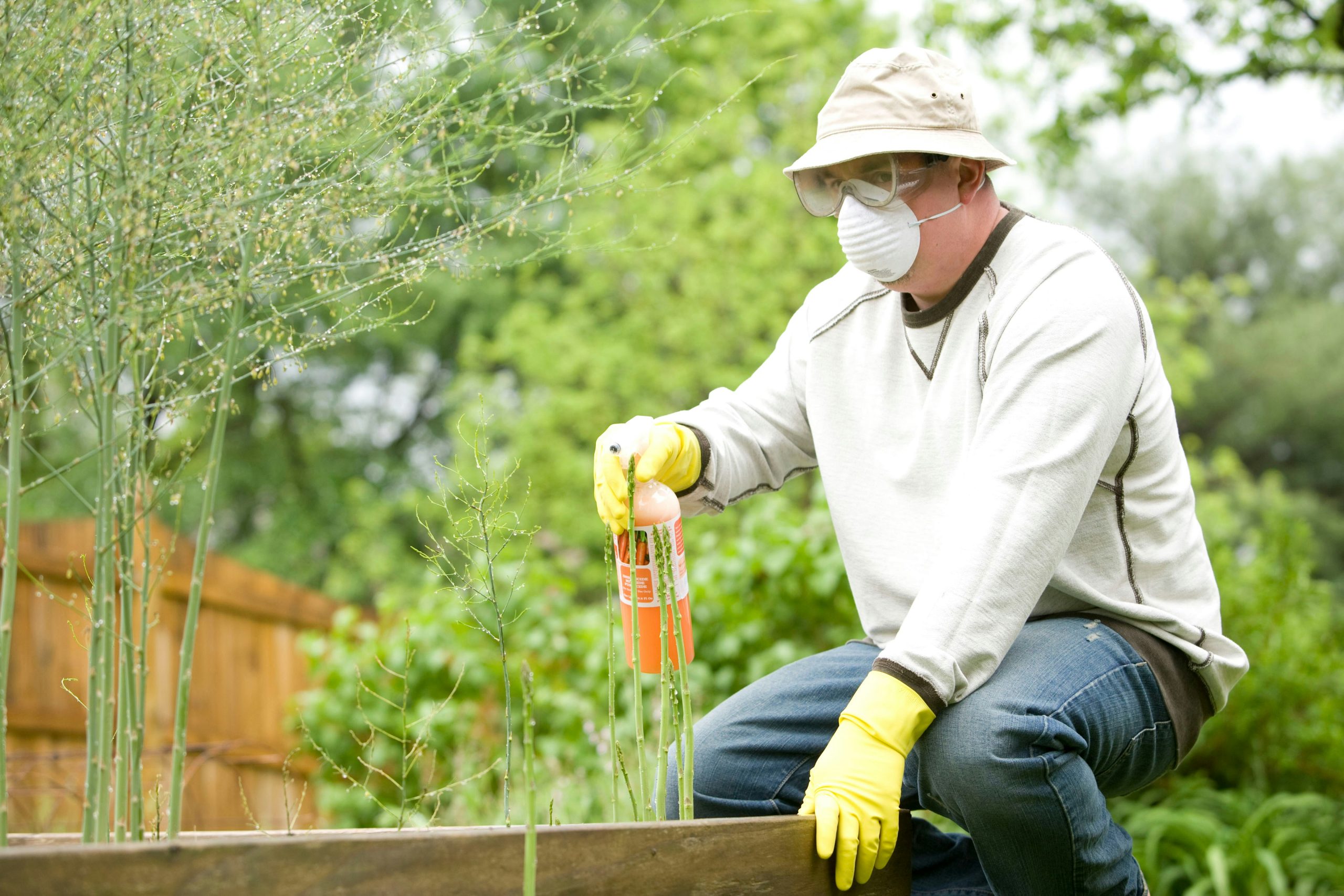
Some outdoor pest problems require more than routine yard maintenance. Mosquito populations may need targeted management, established ant colonies may require specialized treatment, and stinging insect nests may present safety concerns.
Professional pest control begins with identifying the pest and evaluating the conditions that support its activity. Treatment recommendations should account for the specific insect, the location of the problem, and the presence of pets, children, and beneficial insects.
Enjoy Your Outdoor Living Space With Fewer Pest Problems
Your yard should be a place where you can relax, entertain guests, and spend time with family without constantly worrying about unwanted insects.
Taking steps to reduce standing water, maintain landscaping, protect food sources, and monitor pest activity can make a meaningful difference. When mosquitoes, ticks, fleas, ants, or other pests become difficult to manage, professional pest control can help identify the source and develop an appropriate solution.
With consistent maintenance and attention to outdoor conditions, homeowners throughout Dallas-Fort Worth can make their properties less inviting to unwanted pests.