Living in the Dallas area offers many advantages, but dealing with unwanted pests is not one of them. From ants invading kitchens to rodents entering attics and termites damaging wooden structures, homeowners throughout Dallas, Texas, face a variety of pest problems throughout the year. The region’s hot summers, mild winters, periodic heavy rainfall, and expanding residential neighborhoods create opportunities for many insects and wildlife pests to find shelter around homes and businesses.
At our Dallas-area pest control company, we understand that pest problems can be frustrating, disruptive, and sometimes expensive to address. Effective pest management involves more than treating the insects or rodents you can see. It also means identifying how pests enter a property, understanding what attracts them, and taking steps to reduce the likelihood of future infestations.
Whether you live in Dallas, Plano, Richardson, Irving, Garland, or another nearby community, understanding local pest activity can help you protect your property and maintain a more comfortable living environment.
Why Pest Control Is Important in Dallas
Dallas has a climate that supports a wide variety of insects and other pests. Warm weather encourages insect activity during much of the year, while cooler periods may drive rodents and other animals to seek shelter inside buildings.
Ants, cockroaches, spiders, mosquitoes, termites, wasps, and rodents are among the pests that property owners may encounter. Each presents different challenges. Some contaminate food or create unsanitary conditions, while others can damage structures, leave droppings, or make outdoor living areas uncomfortable.
Pest activity also changes with the seasons. Heavy rainfall may drive certain insects toward drier shelter, and extended periods of heat can increase the importance of accessible water sources around homes. When temperatures fall, mice and rats may look for warm nesting locations in garages, wall voids, attics, and storage areas.
Because pest activity can continue throughout the year, waiting until an infestation becomes obvious may allow a relatively small problem to grow. Regular inspections, preventative maintenance, and timely treatment can help identify issues before they become more difficult to manage.
Common Household Pests in the Dallas Area
Understanding which pests are common in North Texas can help you recognize potential problems early.
Ants
Ants frequently enter homes while searching for food and water. Kitchens, pantries, pet feeding areas, and spaces near plumbing fixtures can attract foraging ants. Even small crumbs or spills may provide enough food to encourage continued activity.
Some ant species build nests outdoors near foundations, sidewalks, landscaping, or patios. Others may establish nests inside wall voids or other protected areas. Simply spraying the ants you see may not eliminate the colony responsible for the activity.
Effective ant control typically involves identifying the species, locating likely nesting areas, removing food sources, and selecting an appropriate treatment strategy.
Cockroaches
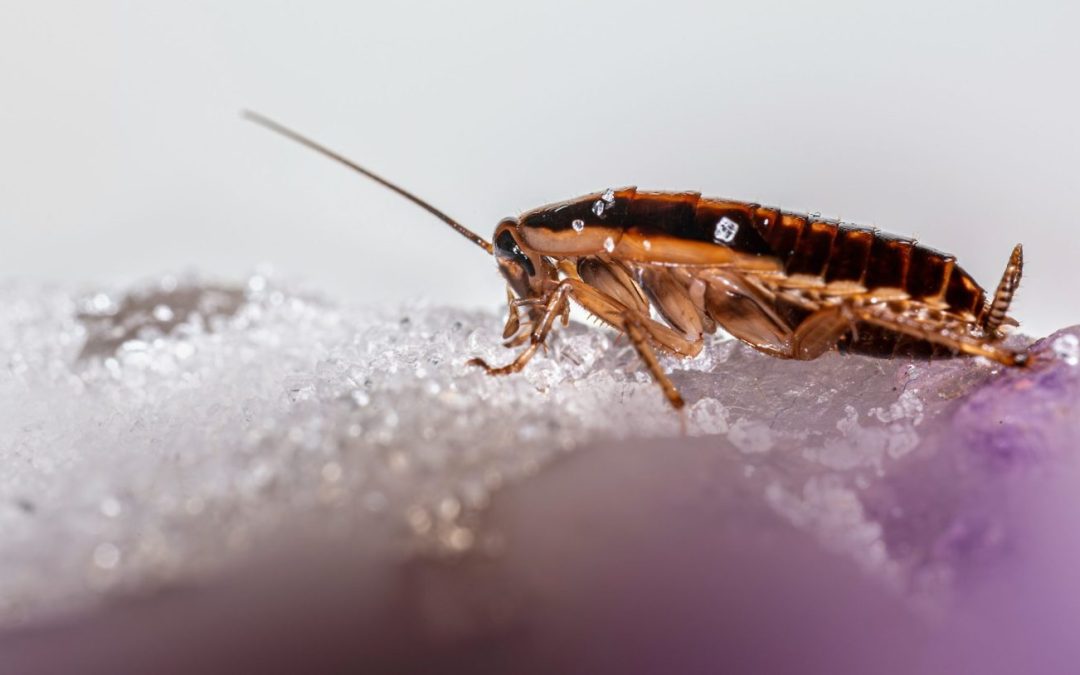
Cockroaches can enter homes through gaps around doors, plumbing penetrations, utility openings, and other access points. They may also arrive in packages, grocery bags, or secondhand items.
These pests can contaminate surfaces and food with bacteria and other microorganisms carried on their bodies. Cockroach droppings and shed skins can also contribute to indoor allergen exposure.
Keeping kitchens clean, storing food in sealed containers, correcting plumbing leaks, and reducing clutter can help make a property less attractive to cockroaches. Persistent activity may require professional inspection and treatment to identify hiding places and reduce the population.
Termites
Termites are an important concern for Dallas homeowners because they can damage wooden components of a building while remaining hidden from view. Subterranean termites may enter through foundation cracks, gaps around utility lines, and other openings that connect the soil to a structure.
Warning signs can include mud tubes along foundation walls, discarded wings near windows, and wood that appears damaged from within. However, termite damage may not be visible until an infestation has been active for some time.
A professional termite inspection can help determine whether there is evidence of activity and whether additional treatment or monitoring is warranted.
Rodents
Mice and rats can enter homes through surprisingly small openings. They may seek food, water, and shelter in kitchens, garages, crawl spaces, wall voids, and attics.
Rodents can chew wiring, damage insulation, contaminate stored food, and leave droppings in areas where people live or store belongings. Scratching sounds at night, gnaw marks, droppings, and damaged packaging may indicate activity.
Rodent management includes identifying and sealing suitable entry points, removing accessible food sources, and using appropriate control methods. Simply trapping one mouse may not solve the problem if additional rodents can still enter the building.
Mosquitoes and Other Outdoor Pests
Mosquitoes can make it difficult to enjoy patios, yards, and outdoor entertaining spaces during warmer months. Standing water in plant saucers, clogged gutters, buckets, and other containers can provide breeding sites for some mosquito species.
Removing standing water where possible is an important preventative measure. Property owners should also maintain landscaping, clear drainage areas, and address conditions that allow water to accumulate.
Wasps, spiders, and other outdoor pests may also become concerns around eaves, decks, garages, and exterior light fixtures. The appropriate response depends on the species, nest location, and potential risk to household members.
How Seasonal Weather Affects Pest Activity
Dallas residents should not assume pest problems disappear during the winter or occur only during summer.
Spring: Warmer temperatures encourage renewed insect activity. Ants may become more noticeable, termite swarmers may appear under favorable conditions, and many outdoor pests begin becoming active around homes.
Summer: Heat can increase the importance of accessible water sources. Mosquitoes may thrive where suitable standing water is available, while ants and cockroaches may forage around kitchens, outdoor dining areas, and garbage containers.
Fall: As temperatures begin to decline, mice and rats may search for protected nesting locations. Wasps and other insects may also remain active during favorable weather.
Winter: Although outdoor insect activity may decrease for some species, pests living inside heated buildings can remain active. Rodents may continue nesting in attics, garages, and wall voids, while cockroaches can persist wherever suitable food, moisture, and shelter are available.
These seasonal patterns are general guidelines rather than strict rules. Weather conditions, property design, and the presence of food and moisture all influence local pest activity.
Practical Ways to Prevent Pest Infestations
Homeowners can reduce many common pest risks by making a few consistent maintenance practices part of their routine.
Seal Entry Points
Inspect the exterior of your home for gaps around doors, windows, pipes, utility lines, vents, and foundation openings. Repair damaged weatherstripping and use suitable materials to seal openings where pests could enter. Some locations, such as vents, still require appropriate ventilation, so avoid blocking openings that serve an essential purpose.
Keep Food Properly Stored
Place pantry items in sealed containers when practical, clean food spills promptly, and avoid leaving dirty dishes unattended for extended periods. Store pet food securely and remove uneaten food after meals.
Garbage containers should have tight-fitting lids and be cleaned when spills or residue accumulate.
Reduce Moisture
Leaking pipes, dripping faucets, clogged gutters, and poorly draining areas can provide pests with access to water. Repair plumbing issues and direct water away from the foundation whenever possible.
Check beneath sinks, around washing machines, and near water heaters for signs of leaks. Addressing moisture problems can also help reduce conditions associated with other household concerns, including mold growth and wood deterioration.
Maintain Landscaping
Trim shrubs and branches that contact exterior walls, keep outdoor storage areas orderly, and avoid allowing unnecessary debris to accumulate near the foundation.
Store firewood away from the house and elevated off the ground where practical. Regularly inspect fences, sheds, and landscape timbers for signs of pest activity.
Inspect Your Home Periodically
Check garages, attics, storage spaces, and other less frequently used areas for droppings, damaged materials, insect activity, and unusual odors. Early detection can help you respond before pests spread to additional rooms.
When Should You Call a Professional Pest Control Company?
Some isolated pest sightings can be addressed through sanitation and basic preventative measures. However, recurring activity or evidence of an established infestation often requires a more thorough approach.
Consider scheduling a professional inspection when you repeatedly find ants or cockroaches despite cleaning, hear rodents moving inside walls or ceilings, discover suspicious termite damage, or notice pest activity in several areas of the property.
You should also seek professional guidance when you are uncertain which pest you are dealing with or when a suspected infestation involves a potentially hazardous insect nest.
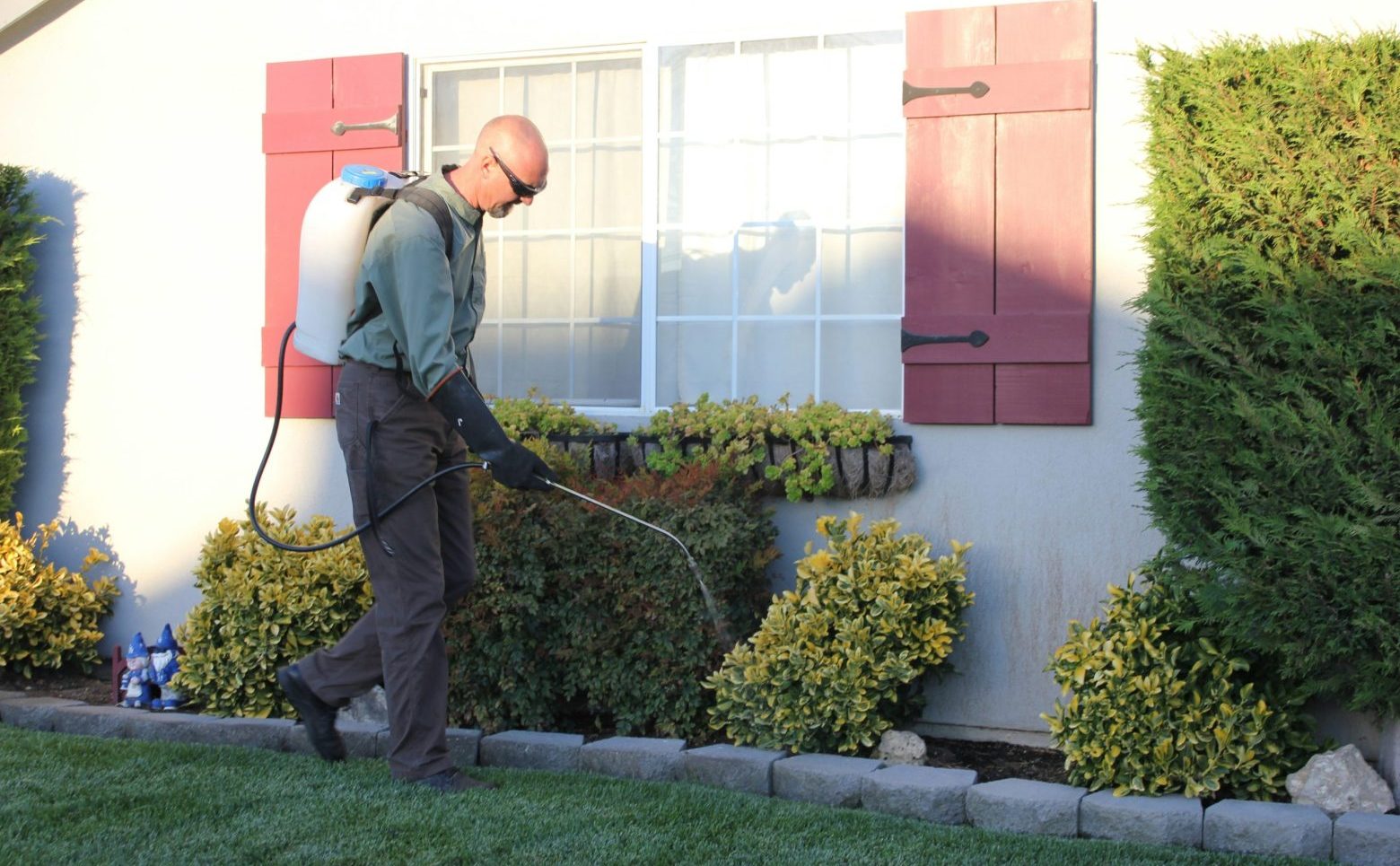
A pest control professional can identify the pest, assess the conditions contributing to the problem, and recommend a suitable treatment strategy. Depending on the circumstances, this may involve targeted applications, monitoring devices, exclusion work, baiting, or other integrated pest management techniques.
When comparing providers, ask about the inspection process, recommended treatment methods, follow-up visits, and any prevention guidance included with the service. Make sure any pesticides are applied according to their labels and that preparation and reentry instructions are explained clearly.
The goal should be to address the underlying problem as well as the visible pests, rather than simply treating the same symptoms repeatedly.
Choosing Pest Control Services in Dallas, TX
When you need pest control in Dallas, choose a provider who takes the time to understand your particular situation. Different pests require different approaches, and the right strategy for an ant problem may be unsuitable for termites or rodents.
Our Dallas-area pest control company helps residential and commercial property owners address pest concerns with inspections, treatment recommendations, and practical prevention guidance. We understand that every property has different needs, whether it is a single-family home, an apartment, a rental property, or a commercial building.
A good pest management plan should explain what was found, what treatment is recommended, what property owners need to do, and whether follow-up monitoring is appropriate. Clear communication helps you understand the process and make informed decisions about protecting your property.
Protect Your Home With Year-Round Pest Management
Pests are a recurring concern for many property owners throughout Dallas and the surrounding North Texas communities. Warm weather, seasonal changes, moisture, accessible food, and small openings around buildings can all contribute to pest activity.
Keeping your home clean, sealing entry points, correcting leaks, maintaining landscaping, and inspecting vulnerable areas can help reduce the risk of infestations. When pest activity continues or you suspect a more serious problem, professional inspection and targeted treatment can help you determine the best course of action.
If you are dealing with ants, cockroaches, termites, rodents, mosquitoes, or another household pest in Dallas, Plano, Irving, Richardson, or a nearby community, contact our team to discuss your pest control needs. Taking action early can help protect your property, reduce ongoing pest activity, and make your home or business more comfortable throughout the year.