Bed bugs are a frustrating problem for homeowners, apartment residents, landlords, and businesses throughout Dallas, Texas. These small insects can hide in mattresses, upholstered furniture, bed frames, and other hard-to-reach areas, making them difficult to detect until an infestation becomes established. Whether you live in a Dallas home, rent an apartment in Richardson, manage rental properties in Irving, or own a business in Plano, knowing how to recognize bed bugs and respond quickly can help protect your property.
At our Dallas-area pest control company, we understand how stressful it can be to discover bed bugs in your home or workplace. The good news is that effective bed bug control is possible with the right inspection, treatment strategy, and follow-up. Here is what Dallas-area property owners should know about identifying bed bugs, understanding how they spread, and choosing an appropriate treatment approach.
Why Bed Bugs Are a Problem in the Dallas Area
Bed bugs can live anywhere people sleep, sit, or spend extended periods of time. They are found in single-family homes, apartments, hotels, dormitories, offices, and other occupied buildings. Their presence is not necessarily related to poor housekeeping. Even a clean, well-maintained property can develop a bed bug infestation.
Dallas is a major travel and business destination, with residents and visitors regularly moving between hotels, apartments, workplaces, and homes. Bed bugs can hitchhike in luggage, clothing, backpacks, and used furniture. Once introduced into a property, they can hide in protected spaces and begin reproducing.
The Dallas-Fort Worth area also contains many multi-unit residential buildings. In apartments and condominiums, bed bugs may occasionally spread between neighboring units through cracks, wall voids, and other pathways. However, an infestation in one apartment does not automatically mean that every nearby unit is affected.
Because bed bugs can remain concealed for extended periods, professional inspection is an important first step when there are signs of activity.
How to Recognize Bed Bugs in Your Home
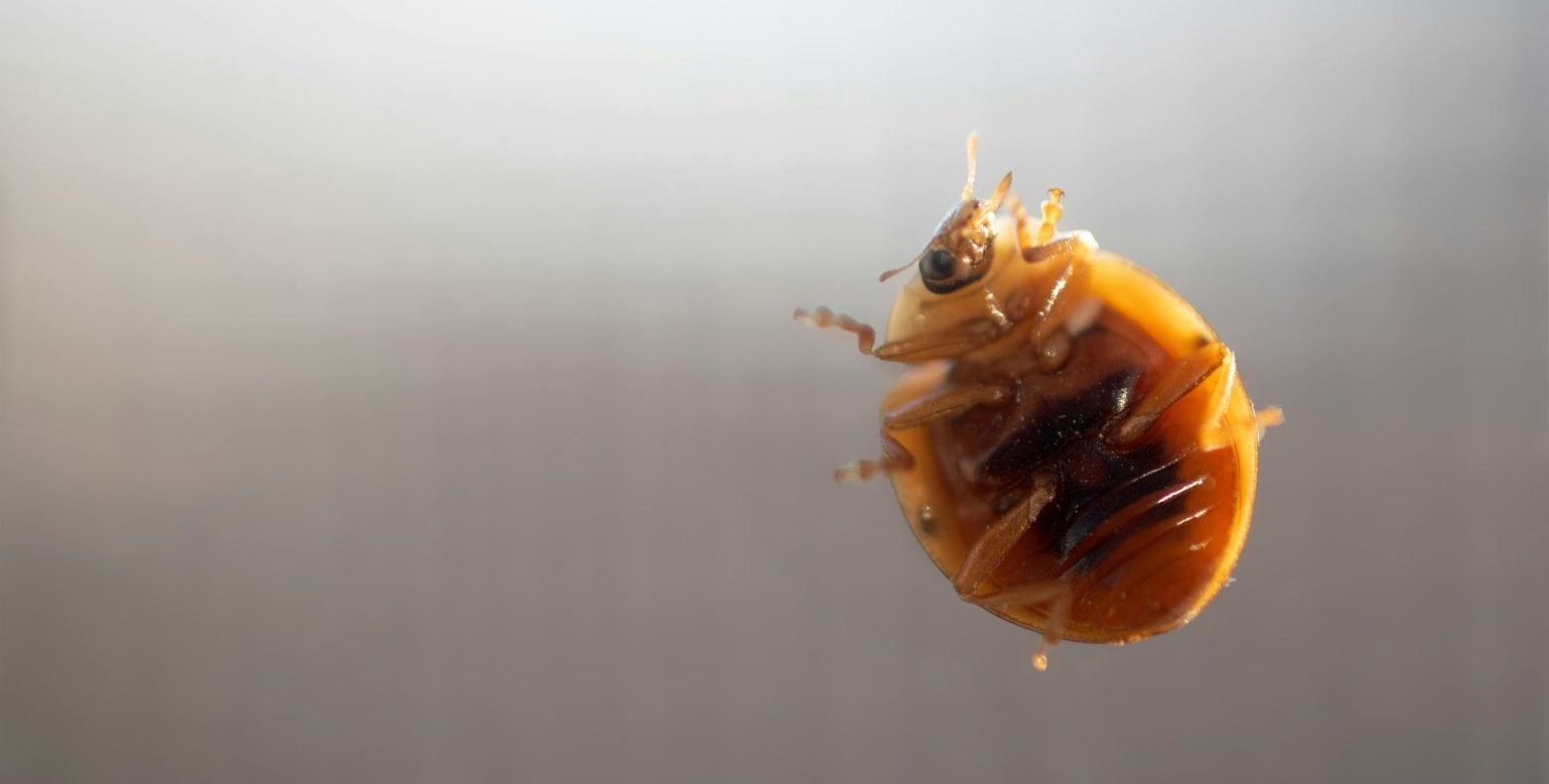
Identifying bed bugs early can help limit the extent of an infestation. Adult bed bugs are small, reddish-brown insects with flat, oval-shaped bodies. They are generally about the size of an apple seed, although their bodies become more swollen after feeding.
Young bed bugs, known as nymphs, are smaller and may appear pale or translucent. Their size and coloring can make them difficult to see, particularly against light-colored sheets or furniture.
When inspecting your home, pay close attention to the following warning signs:
Dark spots on mattresses and bedding: Small dark or rusty marks along mattress seams, sheets, and pillowcases may be associated with bed bug droppings or crushed insects.
Live insects or shed skins: Bed bugs shed their outer coverings as they grow. Finding live insects or pale, empty skins near a bed can indicate an infestation.
Tiny eggs: Bed bug eggs are small, whitish, and often difficult to spot. They may be attached to surfaces in secluded hiding places.
Unexplained skin reactions: Some people develop itchy welts after bed bugs feed, while others have little or no visible reaction. Skin marks alone cannot confirm bed bugs because other insects and skin conditions may produce similar symptoms.
Repeated signs near sleeping areas: Several suspicious findings around mattress seams, headboards, and nearby furniture warrant a more thorough inspection.
Bed bugs commonly hide in mattress piping, box springs, bed frames, headboards, nightstands, and upholstered furniture. As their numbers increase, they may occupy baseboards, cracks, and other areas around the room.
If you suspect an infestation, our pest control team can help determine whether bed bugs are present and identify the areas requiring attention.
How Bed Bugs Enter Dallas Homes
One of the most common misconceptions about bed bugs is that they are attracted to dirt. In reality, they seek access to people and suitable hiding places rather than unclean surroundings.
Travel is a frequent way bed bugs enter homes. They can hide in hotel room furnishings, luggage areas, and other locations where travelers place their belongings. An insect may then travel home inside a suitcase, backpack, or bag of clothing.
Used furniture is another potential source. Mattresses, sofas, recliners, and bed frames may contain hidden insects or eggs. Before bringing secondhand furniture into your Dallas home, inspect seams, joints, screw holes, undersides, and recessed areas carefully.
Bed bugs can also be introduced through visitors’ belongings, shared laundry facilities, and items transported between infested and uninfested locations. In apartment buildings, a professional may recommend inspecting additional units when evidence suggests that bed bugs could have moved between them.
Bed bugs do not fly or jump. They crawl and depend on opportunities to move between locations, often by hiding in belongings that people carry.
What to Do When You Discover Bed Bugs
Finding bed bugs can be alarming, but a careful response can help prevent the insects from spreading throughout your home.
First, avoid moving infested furniture or bedding into other rooms. Carrying a mattress or upholstered chair through the home may transfer insects to previously unaffected areas. You also do not necessarily need to discard your furniture. Many items can be treated, depending on their condition and the extent of the infestation.
If possible, photograph or safely capture a suspected insect so its identity can be confirmed. Avoid crushing insects and then assuming the problem has been resolved. A visible bed bug may represent only a small portion of the population hiding nearby.
Wash affected bedding and clothing when the materials are suitable for laundering, and use a hot dryer cycle appropriate for the items. Sufficient heat exposure can kill bed bugs in treated belongings, but simply washing everything may not eliminate an infestation in the surrounding room.
Vacuuming mattress seams, furniture joints, and nearby flooring may remove some insects. Afterward, seal and dispose of vacuum contents carefully. However, vacuuming alone generally cannot eliminate an established infestation.
Do not use outdoor pesticides inside your house, apply chemicals to bedding unless the product label specifically permits it, or rely on homemade chemical mixtures. Improper treatment can expose people and pets to unnecessary risks without eliminating the bed bugs.
The next step should be arranging a professional inspection to evaluate the infestation and determine which treatment methods are appropriate.
Professional Bed Bug Treatment in Dallas, TX
Bed bug control requires more than treating the insects that are visible. Eggs and live bed bugs may remain hidden in furniture joints, wall-side crevices, mattress seams, and other protected areas. Missing these hiding places can allow the infestation to continue.
Our approach to bed bug treatment starts with identifying signs of activity and assessing the affected rooms. The inspection helps establish the likely extent of the problem and guides the treatment plan.
Depending on the property and infestation, treatment may involve targeted insecticide applications, professional heat treatment, physical removal, encasements, monitoring devices, or a combination of methods. The appropriate approach depends on factors such as room layout, furniture, infestation severity, and the products and equipment available to the pest management professional.
Heat treatment uses carefully controlled temperatures to target bed bugs in affected areas. Its effectiveness depends on achieving and maintaining suitable temperatures throughout the spaces being treated. A hot day in Dallas, a portable heater, or leaving furniture outdoors should not be considered reliable substitutes for professionally managed treatment.
Chemical treatments may also be useful when applied appropriately. Different products work in different ways, and some bed bug populations show resistance to certain insecticides. This is one reason professional treatment plans may use multiple control methods rather than relying on a single product.
Follow-up inspections and additional treatments may be necessary. Some treatments do not eliminate every egg, and newly hatched bed bugs can become apparent after the initial visit. Monitoring activity and following preparation instructions are important parts of the overall process.
When selecting a Dallas pest control company, ask about its experience with bed bugs, inspection procedures, recommended treatment methods, preparation requirements, and follow-up services. A clear treatment plan helps you understand what to expect and how to participate in resolving the problem.
Preventing Bed Bugs After Treatment
Once bed bugs have been treated, prevention and monitoring can help reduce the risk of another infestation.
When traveling, inspect hotel mattress seams, headboard areas, and nearby furniture before unpacking. Keep luggage on an appropriate rack away from beds and upholstered furniture when practical. After returning home, inspect your luggage and launder and heat-dry suitable clothing.
Check used furniture carefully before bringing it indoors. If you suspect an item may contain bed bugs, keep it isolated until it can be inspected or treated safely. Avoid leaving potentially infested furniture where someone else might take it home.
In apartment communities, report suspected bed bug activity to property management promptly. Early communication can help coordinate inspections and appropriate treatment where needed. Residents should follow professional preparation instructions instead of attempting hazardous pesticide applications themselves.
After treatment, continue monitoring sleeping areas for live insects and other signs of activity. Follow any recommendations provided by your pest control professional, including instructions about encasements, moving furniture, and scheduling follow-up visits.
Contact a Dallas-Area Pest Control Company for Bed Bug Help
Bed bugs can be difficult to identify and eliminate without a well-planned approach. Whether you have found suspicious marks on your mattress, discovered a live insect, or experienced recurring activity in an apartment or house, taking action early can help limit the problem.
Our Dallas-area pest control company helps property owners address pest concerns with inspections, practical recommendations, and treatment options suited to the situation. We understand that bed bugs can disrupt sleep and make people uncomfortable in their own homes, and we work to provide a clear path toward resolving the infestation.
If you suspect bed bugs in Dallas, Irving, Richardson, Plano, or another nearby community, contact our team to discuss an inspection and available treatment options. Professional guidance can help you identify the problem, understand the next steps, and work toward a bed bug-free home or business.