Termites are a serious concern for homeowners throughout Dallas, Texas, because these wood-destroying insects can damage structural materials while remaining hidden behind walls, beneath flooring, and inside wooden framing. By the time visible signs appear, termites may have been feeding on a property for months or longer. Understanding the warning signs of termite activity and knowing when to contact a pest control professional can help Dallas-area homeowners protect their homes and avoid more extensive repairs.
At our Dallas-area pest control company, we help property owners understand their termite concerns and explore appropriate treatment and prevention options. Whether you own a home in Dallas, manage rental properties in Irving, or live in a neighborhood in Plano, recognizing the risks of termite damage is an important part of maintaining your property.
Why Termites Are a Concern for Dallas Homeowners
Dallas and the surrounding North Texas communities provide conditions in which termites can thrive. Subterranean termites are particularly important to watch for because they live in soil and can enter buildings to reach wood and other cellulose-containing materials. Cellulose is found in wood, paper, cardboard, and several other common household materials.
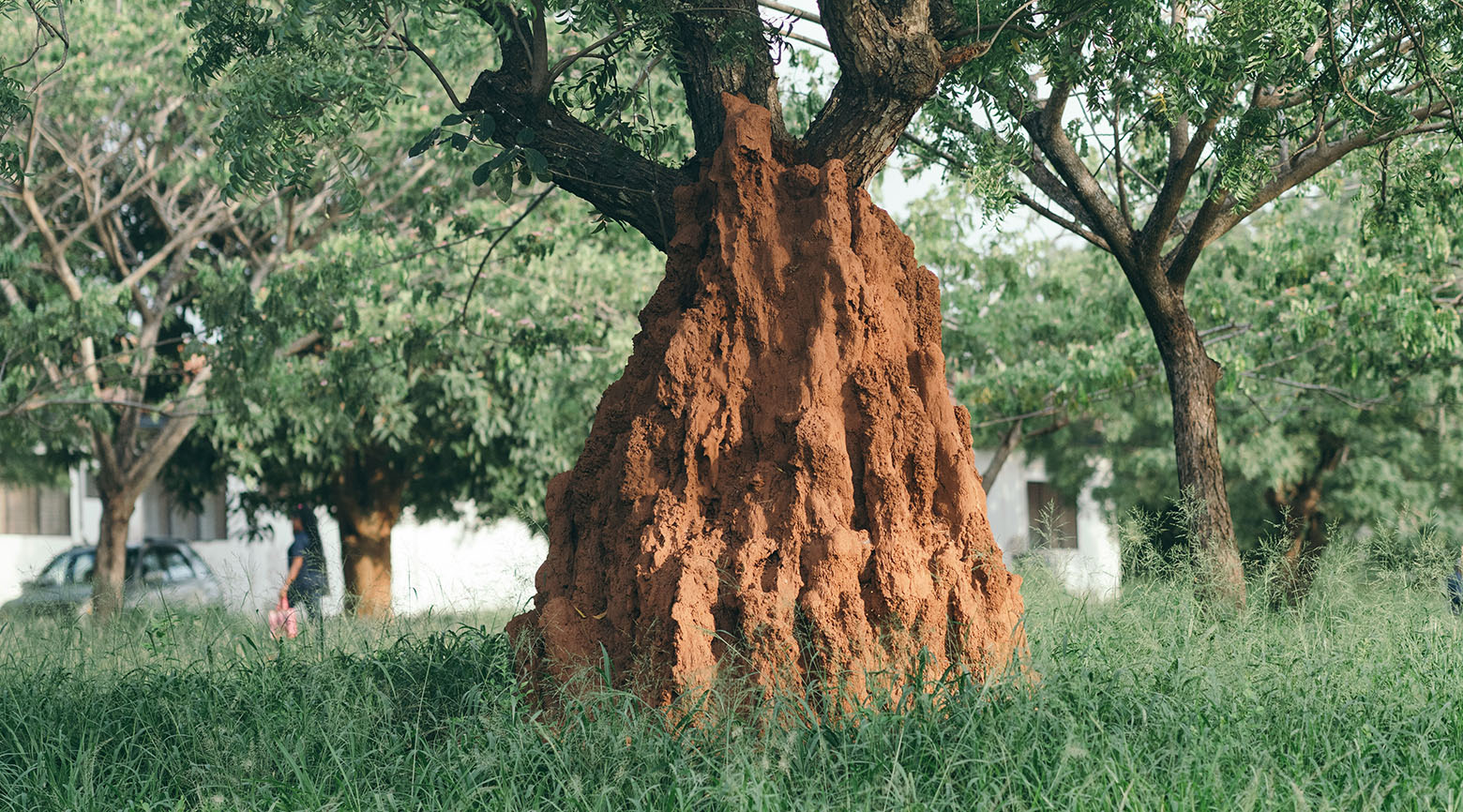
Subterranean termites often establish colonies in the ground, where moisture helps them survive. They may enter homes through foundation cracks, gaps around plumbing penetrations, expansion joints, or other openings. Termites can also build protective mud tubes that allow them to travel between the soil and wooden materials while maintaining the moisture they need.
The presence of termites does not necessarily indicate that a home has been poorly maintained. Even well-kept houses can experience termite activity. However, certain property conditions, such as wood touching soil, leaking pipes, poor drainage, and moisture accumulating near the foundation, can make a home more vulnerable.
Because termites frequently feed out of sight, routine inspections and prompt attention to suspicious signs can be valuable for homeowners throughout the Dallas-Fort Worth area.
What Types of Termites Are Found Around Dallas?
Subterranean termites are among the primary termites of concern in North Texas. They typically maintain colonies underground or in locations where suitable moisture is available. Worker termites forage for food and may travel through soil, cracks, and protective mud tubes to reach wood in a building.
These insects can feed on structural lumber, floor joists, wall framing, wooden supports, and other cellulose-based materials. Because the damage often occurs inside the wood, a surface may look relatively intact even when the material beneath it has been compromised.
Termite swarmers are another sign homeowners may encounter. Swarmers are reproductive termites that leave a mature colony to establish new colonies. They usually have wings and may appear in groups around windows, doors, light fixtures, or other sources of light. In the Dallas area, swarming activity can occur when environmental conditions are favorable, often during warmer periods.
Seeing winged insects indoors does not automatically confirm a termite infestation. Ant swarmers can look similar, although termites generally have straight antennae, a broad waist, and two pairs of wings that are similar in length. Ants typically have elbowed antennae, a distinctly pinched waist, and front wings that are longer than their rear wings.
When identification is uncertain, a pest control professional can inspect the insects and determine whether further investigation is needed.
Seven Warning Signs of Termites in Your Home
Recognizing early signs of termite activity can help you address a potential problem before additional damage occurs. Homeowners should pay attention to several indicators.
1. Mud tubes along the foundation
Subterranean termites build narrow mud tubes using soil and other materials. These tubes may appear along foundation walls, around plumbing penetrations, inside crawl spaces, or near wooden supports. They provide termites with a protected route between their colony and a food source.
2. Discarded wings near windows and doors
After termite swarmers find a mate and attempt to establish a colony, they shed their wings. Small piles of similar-looking wings near windowsills, doors, or light fixtures may indicate nearby termite activity.
3. Hollow-sounding or damaged wood
Wood that sounds hollow when gently tapped may have internal termite damage. However, hollow-sounding wood can have other explanations, and not every damaged wooden surface contains termites.
4. Bubbling or uneven paint
Paint that appears blistered, cracked, or uneven can sometimes indicate moisture or damage beneath the surface. Termites are one possible cause, but plumbing leaks and other moisture problems can create similar symptoms.
5. Doors and windows that become difficult to operate
Changes in doors and windows may result from swelling, settling, or changes in humidity. In some cases, termite damage affecting wooden components may contribute to the problem. This sign alone is not enough to establish that termites are present.
6. Damaged baseboards or flooring
Baseboards, wooden trim, flooring, and other materials near moisture sources can be vulnerable when termites gain access. Look for unexplained deterioration, weakened wood, or areas that appear to be damaged from within.
7. Visible termites or termite damage
Finding live termites, mud tubes, or wood containing galleries is a strong reason to arrange a professional inspection. Avoid assuming that removing the visible insects resolves the problem, since the colony may remain active elsewhere.
If you notice any of these warning signs, documenting their location and contacting a qualified pest management professional can help you determine the next steps.
How Do Termites Enter Dallas Homes?
Termites do not need large openings to gain access to a property. Subterranean termites may enter through small foundation gaps, cracks, plumbing penetrations, or other points where the building meets the soil. They can also reach wooden components through hidden pathways that are difficult for homeowners to see.
Moisture is an important factor. Leaking outdoor faucets, clogged gutters, improper drainage, and plumbing problems may contribute to damp conditions around or beneath a house. Moisture-damaged wood can also make it easier for termites to access suitable feeding areas.
Direct contact between wood and soil creates another potential risk. Wooden fence posts, untreated landscape timbers, stacked firewood, and other wood materials placed close to a home’s foundation may provide termites with food or convenient access points.
These conditions do not guarantee an infestation, but correcting them can reduce opportunities for termite activity. Regularly checking the foundation and the areas where plumbing and utilities enter the building can help identify potential vulnerabilities.
Can Termites Cause Serious Structural Damage?
Termites feed on cellulose, which is present in many materials used in residential construction. When termites feed on structural wood over time, they can weaken floor joists, wall framing, support beams, and other components.
The amount of damage depends on factors such as the size and duration of the infestation, the location of the affected wood, and the construction of the building. Some infestations cause relatively localized damage, while others may require substantial repairs.
Termite damage can also be expensive because affected materials may be concealed behind drywall, flooring, insulation, or finished surfaces. Discovering the problem early may help limit the extent of repairs, although the actual condition of the structure must be evaluated when damage is suspected.
It is important to distinguish pest control from structural repair. A termite treatment may control or eliminate the targeted termite activity, but damaged wood does not automatically regain its strength. A qualified contractor or structural professional may need to evaluate compromised components and recommend repairs.
Professional Termite Inspection and Treatment in Dallas
If you suspect termites in your Dallas home, a professional inspection is a sensible starting point. A pest control professional can examine accessible areas for mud tubes, damaged wood, discarded wings, and other evidence of activity. Depending on the property, the inspection may include the foundation, crawl spaces, garages, utility penetrations, and areas where wood and soil come close together.
The recommended treatment depends on the type of termite, the construction of the property, the extent of the activity, and the treatment options appropriate for the situation.
For subterranean termites, treatment may involve a professionally applied liquid termiticide around designated areas of the foundation, a termite baiting system, or a combination of approaches. Liquid treatments are designed to create a treated zone that helps prevent termites from entering or reaching the structure, while baiting systems use carefully placed stations to target foraging termites over time.
Different methods have different requirements. Baiting systems need appropriate placement and monitoring, while liquid treatments require careful application according to the product label and the property’s conditions. No treatment should be selected without considering the specific infestation and the building involved.
When comparing termite control companies in Dallas, ask what the inspection covers, which treatment methods are recommended, how monitoring or follow-up will work, and whether a written service agreement is available. You should also ask what the agreement covers and whether retreatment or repair coverage is included, because these provisions vary by provider and plan.
Professional termite treatment focuses on addressing the infestation and reducing the risk of continued activity. If structural damage is suspected, arrange an appropriate evaluation of the affected building materials as well.
How to Help Prevent Termites Around Your Property
Although no prevention strategy can guarantee that termites will never reach a home, property maintenance can reduce several common risk factors.
Keep gutters and downspouts clear so rainwater drains away from the foundation. Repair leaking pipes and outdoor faucets, and correct drainage problems that leave soil consistently damp near the house.
Avoid allowing untreated wood, cardboard, or firewood to remain against the foundation. Store firewood away from the building and elevated off the ground when practical. Keep landscape timbers and wooden structures from making unnecessary direct contact with the home’s structural wood.
Maintain an appropriate gap between soil or mulch and exposed wooden siding. Do not cover foundation inspection areas with excessive soil or landscaping materials, since doing so can conceal evidence of termite activity.
Inspect accessible foundation walls and other vulnerable areas periodically. If you notice mud tubes, discarded wings, or damaged wood, arrange an inspection rather than relying on surface cleaning or household insecticides.
Protect Your Dallas Home From Termites
Termites can remain hidden for long periods, and their activity may cause substantial damage before homeowners recognize the problem. Learning the warning signs, managing moisture around your property, and arranging an inspection when suspicious evidence appears can help you take action sooner.
Our Dallas-area pest control company helps homeowners and property managers understand termite concerns and identify suitable treatment options. Whether you have discovered mud tubes along your foundation, noticed discarded wings near a window, or simply want to assess your home’s risk, professional guidance can help you make an informed decision.
If you suspect termite activity in Dallas, Irving, Plano, Richardson, or another nearby North Texas community, contact our team to discuss a termite inspection and available control options. Addressing termite concerns promptly can help protect your property and reduce the risk of further damage.