Not every pest infestation begins with an obvious trail of ants or a mouse running across the kitchen floor. Some of the most frustrating household pest problems develop quietly in places homeowners rarely inspect.
Bedbugs can hide inside mattress seams and furniture joints. Pantry moths may reproduce inside stored food products. Cockroaches can remain concealed behind appliances, while fleas may develop in carpeting and other areas where pets spend time.
Because these pests are often difficult to locate, homeowners may not recognize an infestation until the population has increased.
Understanding where hidden pests live, how they enter a home, and what signs to look for can make it easier to address problems before they become widespread.
Bedbugs Can Hide in Furniture and Sleeping Areas
Bedbugs are small, flat insects that feed on blood. They are commonly associated with sleeping areas because they tend to remain close to places where people rest.
These insects can hide in:
- Mattress seams and piping.
- Box springs.
- Bed frames.
- Headboards.
- Upholstered furniture.
- Baseboard gaps.
- Cracks near sleeping areas.
Bedbugs are often transported into homes through luggage, clothing, furniture, and other belongings. They can also spread between adjoining living spaces.
Their presence is not necessarily connected to cleanliness. Even well-maintained homes can experience bedbug problems.
Possible signs include small dark spots on bedding, shed insect skins, live insects, and recurring unexplained bites. However, bites alone cannot reliably establish that bedbugs are present.
A careful inspection is important because other insects and skin conditions can produce similar symptoms.
Pantry Moths Can Infest Stored Food
Pantry moths are another common indoor pest. Unlike clothes moths, which are associated with natural-fiber materials, pantry moths develop in stored food products.
They may infest flour, cereal, grains, nuts, dried fruit, pet food, and other packaged goods.
Adult moths may be noticed flying around kitchens or pantries, but the source of the infestation is often an overlooked food package.
Larvae may produce webbing, contaminate food, and spread to nearby storage containers.
To reduce pantry moth problems, homeowners should:
- Inspect dry food products before storing them.
- Keep flour, cereal, and grains in sealed containers.
- Remove old or unused food products.
- Clean pantry shelves and storage corners.
- Check pet food and birdseed for signs of infestation.
Discarding contaminated products and thoroughly cleaning storage areas are important steps in eliminating the food source.
Clothes Moths Can Damage Valuable Belongings
Clothes moths are different from pantry moths because their larvae feed on certain animal-based fibers.
Wool, fur, feathers, and other natural materials may be vulnerable. Rugs, coats, blankets, upholstered furniture, and stored clothing can all become potential food sources.
The adult moths are not responsible for most of the damage. It is the feeding larvae that create holes and deterioration in susceptible materials.
Closets, storage containers, and areas beneath furniture may provide suitable conditions for these insects.
Regularly inspecting stored clothing, cleaning rugs, and storing valuable natural-fiber items in appropriate protective containers can help prevent problems.
Cockroaches Hide in More Places Than You Might Expect
Cockroaches are particularly difficult to control because they can hide in very small spaces.
Kitchens are common locations because they offer food, moisture, and warmth. However, cockroaches may also establish themselves in bathrooms, laundry rooms, garages, utility areas, and storage spaces.
They often remain concealed during daylight hours and become more noticeable at night.
Look for droppings, egg cases, shed skins, unusual odors, and recurring sightings around cabinets and appliances.
German cockroaches are especially associated with indoor infestations. Other species, including larger outdoor cockroaches commonly called waterbugs, may enter through exterior openings and plumbing-related access points.
Effective management depends on identifying the species and locating the areas where insects are hiding and reproducing.
Fleas Can Develop in Hidden Indoor Areas
Fleas are commonly associated with dogs and cats, but their development does not stop with the adult insects found on pets.
Flea eggs may fall into carpeting, pet bedding, rugs, and furniture. Larvae can develop in protected locations before eventually becoming adult fleas.
This means that treating a pet alone may not resolve an established household infestation.
Vacuuming, washing bedding, and addressing areas where pets spend time can help reduce flea populations.
Pet owners should also consult a veterinarian about suitable flea prevention and treatment products.
Rodents Can Remain Hidden in Attics and Walls
Mice and rats frequently establish nests in concealed parts of residential structures.
Attics, wall cavities, garages, and storage spaces can provide quiet locations where rodents reproduce and remain relatively undisturbed.
Homeowners may first notice scratching sounds, droppings, damaged insulation, or gnaw marks.
Rodents may also chew wiring and contaminate areas where they travel or nest.
When investigating suspected rodent activity, it is important to locate potential entry points rather than focusing exclusively on the places where droppings are discovered.
Spiders, Crickets, and Other Occasional Intruders
Some pests are not necessarily established indoor infestations but can become recurring household nuisances.
Spiders may build webs in closets, garages, attics, and undisturbed storage areas. Their presence can sometimes indicate that other insects are available as food.
Crickets may enter through gaps around doors, windows, and garage openings. They are often attracted to exterior lighting and can become trapped inside residential structures.
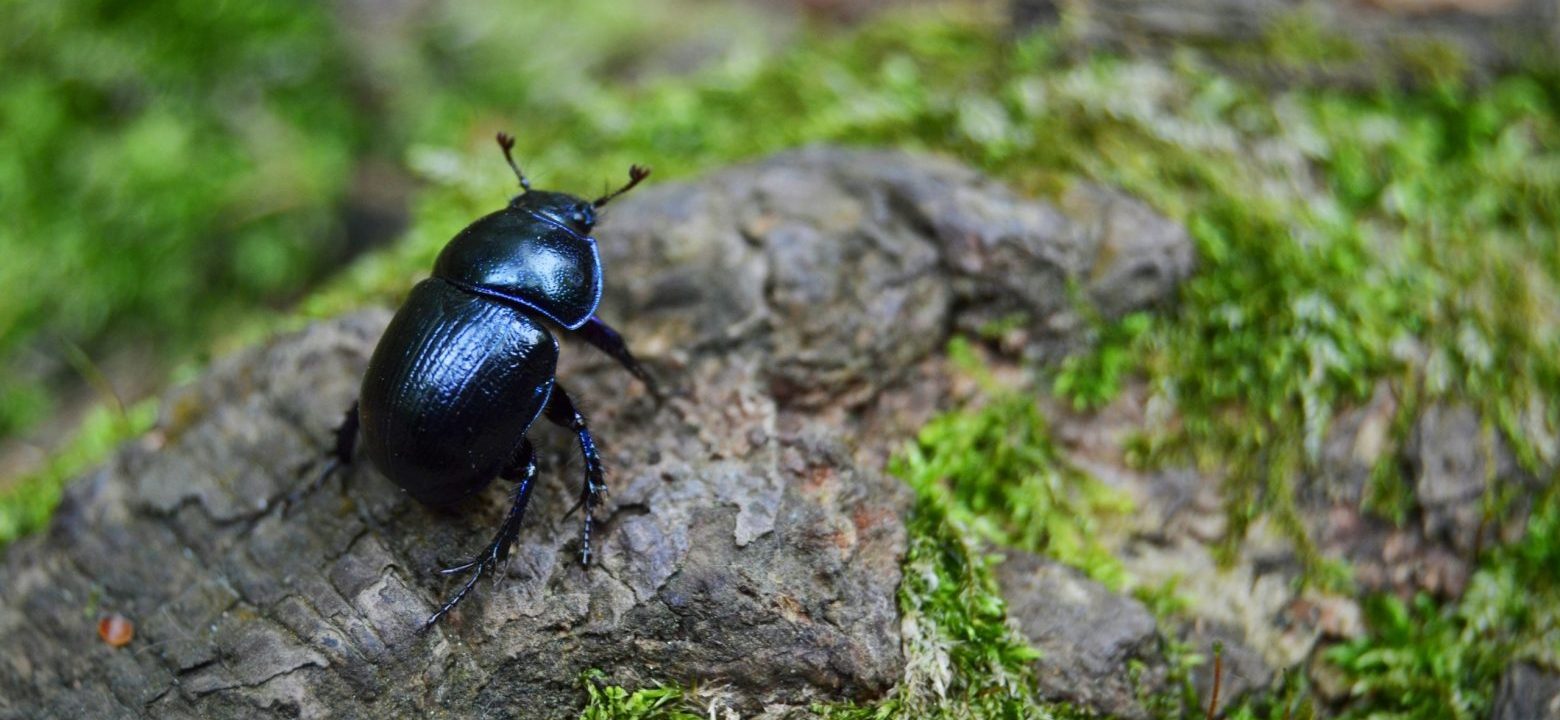
Beetles may also enter homes through infested food products, stored materials, or exterior openings.
Identifying the specific insect is important because different species have different sources and control requirements.
Hidden Pest Problems Across Dallas-Fort Worth
Pest infestations can occur in virtually any type of residential property. Older homes, newer subdivisions, apartments, townhouses, and single-family houses can all experience problems with insects and rodents.
Residents in Dallas, Irving, and Richardson may encounter hidden infestations involving cockroaches, bedbugs, fleas, pantry moths, and rodents.
Homeowners in Frisco, McKinney, and Lewisville should also pay attention to storage areas, garages, kitchens, and other locations where insects can remain concealed.
The same is true in Grand Prairie, Mesquite, and Carrolton.
How to Recognize a Hidden Infestation
Some warning signs are easy to overlook. Homeowners should investigate recurring insect sightings, unusual odors, unexplained damage, droppings, shed skins, and signs of contamination around food storage areas.
A single insect does not always indicate an infestation. However, repeated sightings in the same area or evidence of reproduction should not be ignored.
It is also important to avoid treating every pest problem with the same household spray. Products that affect one insect species may be ineffective against another, especially when pests are hiding in inaccessible locations.
Professional Pest Control Can Identify the Source
The key to managing hidden infestations is identifying where the pests are living and reproducing.
Professional inspections can help distinguish bedbugs from other insects, locate cockroach hiding places, identify the source of pantry moth activity, and determine whether rodents are entering through structural openings.
Treatment should be selected according to the pest involved and the extent of the infestation.
Some problems require a combination of cleaning, exclusion, targeted treatments, and follow-up inspections.
Take Action Before Hidden Pests Spread
Hidden pest infestations can be frustrating because homeowners may not realize how widespread the problem has become until insects or rodents start appearing more frequently.
Regular inspections of closets, pantries, storage spaces, bedrooms, garages, and attics can help uncover early warning signs.
Keeping food properly stored, maintaining clean living areas, reducing clutter, and sealing potential entry points can also make a home less attractive to pests.
Whether the concern involves bedbugs, cockroaches, fleas, moths, rodents, or other unwanted insects, identifying the source is the first step toward effective pest management. Homeowners throughout Dallas-Fort Worth can protect their living spaces by combining preventive maintenance with professional assistance when infestations develop.