Pest activity in North Texas does not stop when one season ends. Although certain insects become more noticeable during warmer months, others remain active throughout the year. Changes in temperature, rainfall, humidity, and landscaping conditions influence where pests live, when they reproduce, and how frequently they enter residential properties.
For homeowners throughout the Dallas-Fort Worth area, understanding seasonal pest behavior can make it easier to recognize potential problems before they turn into major infestations.
Spring Brings Increased Insect Activity
Spring is an important time for many insect species. As temperatures rise, ants begin expanding their foraging activity, mosquitoes emerge from developing populations, and termites may begin swarming.
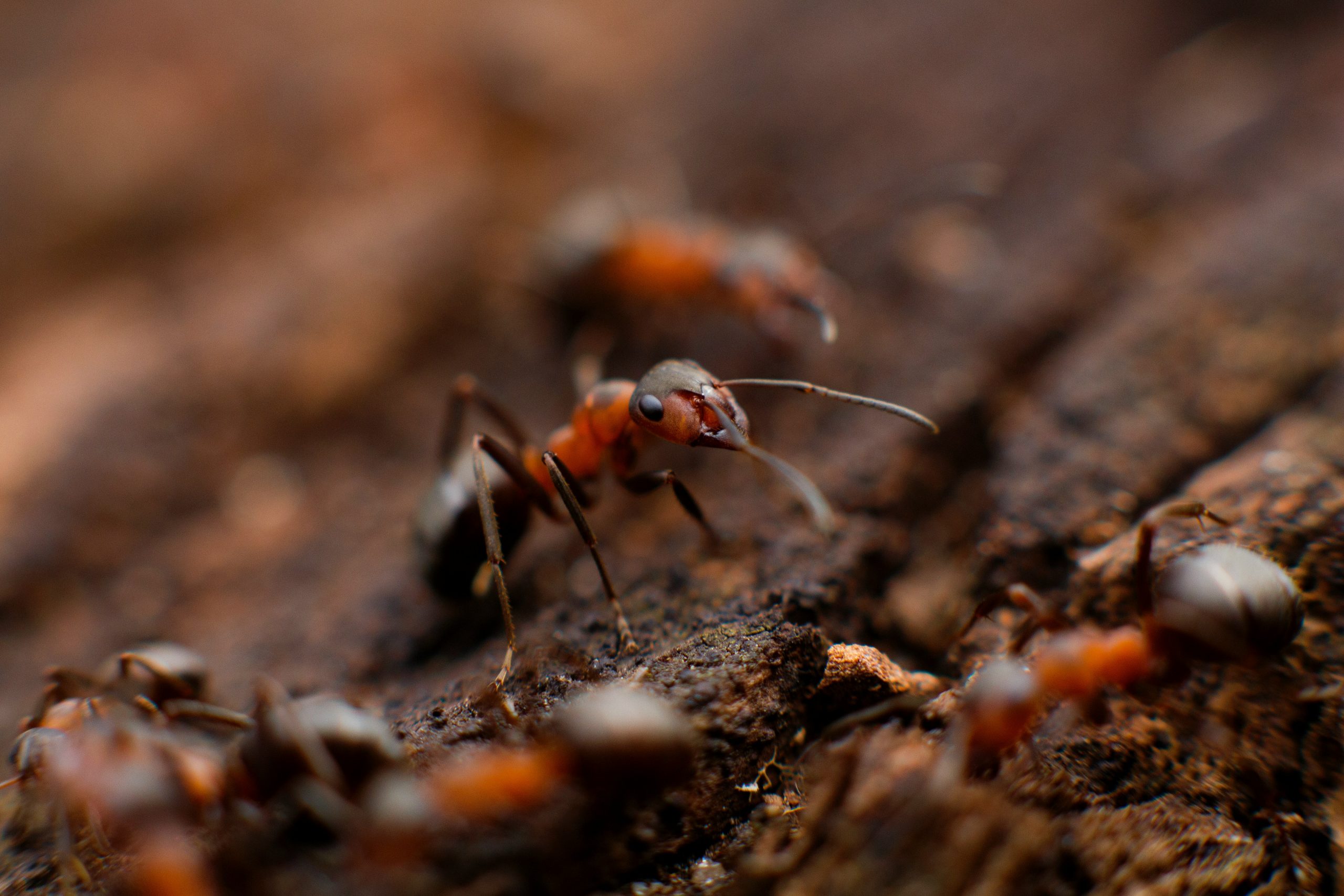
Ants are especially noticeable during spring because colonies become more active and workers search for food and water. Small trails near kitchen windows, exterior walls, and foundation openings may indicate that ants have discovered an accessible food source.
Termite swarmers are another seasonal concern. These reproductive termites leave established colonies to form new ones. They are often attracted to windows and exterior lighting, where homeowners may discover discarded wings.
Seeing swarmers does not automatically mean a structure has an active termite infestation, but it is a good reason to investigate.
Summer Creates Ideal Conditions for Mosquitoes and Fleas
North Texas summers can be extremely hot, but many pests remain active because they can locate shaded areas, moisture, and suitable shelter.
Mosquitoes are particularly troublesome during warm, humid weather. They reproduce in standing water, including water collected in flowerpots, clogged gutters, buckets, old tires, and poorly maintained drainage areas.
Even small amounts of water can provide mosquito breeding opportunities. Homeowners should inspect their yards regularly and eliminate unnecessary standing water.
Fleas also become a concern during warmer months. Shaded lawns, pet bedding, outdoor kennels, and areas where animals rest can support flea development.
A complete flea management strategy may involve treating affected pets through veterinary-approved products, addressing indoor activity, and evaluating outdoor areas where fleas are developing.
Cockroaches and Waterbugs Become More Noticeable
Hot weather can increase cockroach activity around residential properties. These insects may be found around trash containers, sewer openings, drainage areas, outdoor kitchens, and landscaping features.
Waterbugs and other large cockroaches are particularly unsettling when they enter homes. They can move through small openings around doors, plumbing, foundations, and utility connections.
Moisture management is essential during the summer. Repair leaks, clean gutters, and avoid allowing water to collect near the foundation.
Garages and utility rooms deserve particular attention because they often contain plumbing, storage, and other conditions that attract insects.
Fall Encourages Rodents to Seek Shelter
As outdoor temperatures begin to decline, mice and rats may search for warmer and more protected nesting locations.
Attics, garages, wall voids, and storage areas provide attractive shelter. Rodents can enter through small gaps around rooflines, vents, pipes, and garage doors.
Fall is an excellent time to inspect the exterior of a home. Look for damaged screens, gaps beneath doors, openings around utility lines, and deteriorating weatherstripping.
Homeowners should also avoid leaving pet food, birdseed, and garbage accessible overnight.
Crickets and spiders may also become more noticeable around homes during this time. Crickets are frequently attracted to exterior lighting, while spiders may establish webs in garages, sheds, and other protected areas.
Winter Does Not Eliminate Pest Problems
Although some insects become less active during colder periods, many household pests continue to survive indoors.
Rodents may remain active throughout winter because heated homes provide favorable conditions. Cockroaches can also remain active in kitchens, bathrooms, and utility areas.
Bedbugs are another example of a pest that is not dependent on outdoor seasonal conditions. They live indoors and can remain active throughout the year as long as suitable hosts are available.
Moths can also become a year-round nuisance. Pantry moths may infest stored food products, while clothes moths can damage natural-fiber clothing, rugs, and other household materials.
Inspecting stored food, cleaning closets, and checking infrequently used storage areas can help prevent these problems.
Termites Require Attention Throughout the Year
Termites are not exclusively a spring or summer problem. Although swarming activity is seasonal, established colonies can continue feeding on suitable wood and other cellulose materials throughout the year.
Subterranean termites are particularly important for homeowners because they can access structural wood through soil, foundation openings, and concealed construction areas.
Signs of possible termite activity include:
- Mud tubes along foundation walls.
- Damaged or hollow-sounding wood.
- Discarded wings near windows.
- Blistering or uneven wood surfaces.
- Visible termite activity around wood in contact with soil.
Because termite damage can occur out of sight, a professional inspection is often the best way to determine whether a structure has an active problem.
Seasonal Pest Concerns Across the Dallas-Fort Worth Area
Different neighborhoods may experience different combinations of pest activity depending on landscaping, property age, drainage, and nearby natural areas.
Residents in Dallas, Arlington, and Fort Worth may encounter mosquitoes, ants, termites, and rodents throughout the year.
In communities such as Garland, Carrolton, and Mesquite, seasonal changes can also influence outdoor insect activity and the likelihood of pests moving indoors.
Regardless of location, the most effective prevention strategies address the conditions that attract pests rather than relying on the calendar alone.
Why Regular Pest Inspections Matter
A seasonal inspection can reveal problems that homeowners might otherwise overlook. Pest activity often begins in concealed areas, including attic spaces, wall cavities, crawl spaces, garages, and areas beneath exterior structures.
Professional pest control technicians can look for evidence of insect or rodent activity, identify possible entry points, and recommend appropriate treatment options.
Different pests require different approaches. Mosquito management focuses heavily on breeding areas, while rodent control requires attention to entry points and nesting locations. Termite management may involve specialized inspection and treatment methods.
Make Pest Prevention Part of Home Maintenance
Pest control should be considered an ongoing part of maintaining a residential property. Cleaning gutters, repairing exterior gaps, controlling moisture, maintaining landscaping, and monitoring stored food can all contribute to a less attractive environment for pests.
Whether you are dealing with mosquitoes in the summer, rodents in the fall, cockroaches indoors during winter, or termites in the spring, early attention can prevent small concerns from becoming larger problems.
For homeowners throughout North Texas, combining routine property maintenance with professional pest management provides a practical way to protect living spaces throughout every season.